Playing tag around your eco-friendly coffee table, stretching out for movie night, playing twister on the floor—all fun activities made even more so when you’re doing it on a non-toxic rug.
The impacts of a rug are typically overlooked when considering healthy homewares. But the reality is, they’re more often than not made of synthetic materials notorious for leaching VOCs and other toxic chemicals.
Fortunately, padding your home with something healthier is not that difficult if you know where to look.
So after doing our own research, and testing, and reading impact reports and fabric labels, we’ve curated a list of brands that not only use safe fabrics and materials but also ethical labor and transparent supply chains.
Soon, we’ll be rolling out our new Brand Rating System which will examine brands across 22 sustainability-related factors. Think: climate impact and chemical use. If you’d like the deep dive, read here.
We independently research all featured brands and we ask them to confirm their claims. In many cases we personally review recommended products. This post contains affiliate links which means we may earn a commission if you buy something. Learn more here.
Floor Time With These Organic Rug Brands
Fhygge’s organic cotton rugs will imbue every room in your home with ‘hygge’ (that’s Danish for a warm atmosphere) without imbuing it with harmful chemicals, thanks to natural fibers and a minimalist, Scandinavian design.
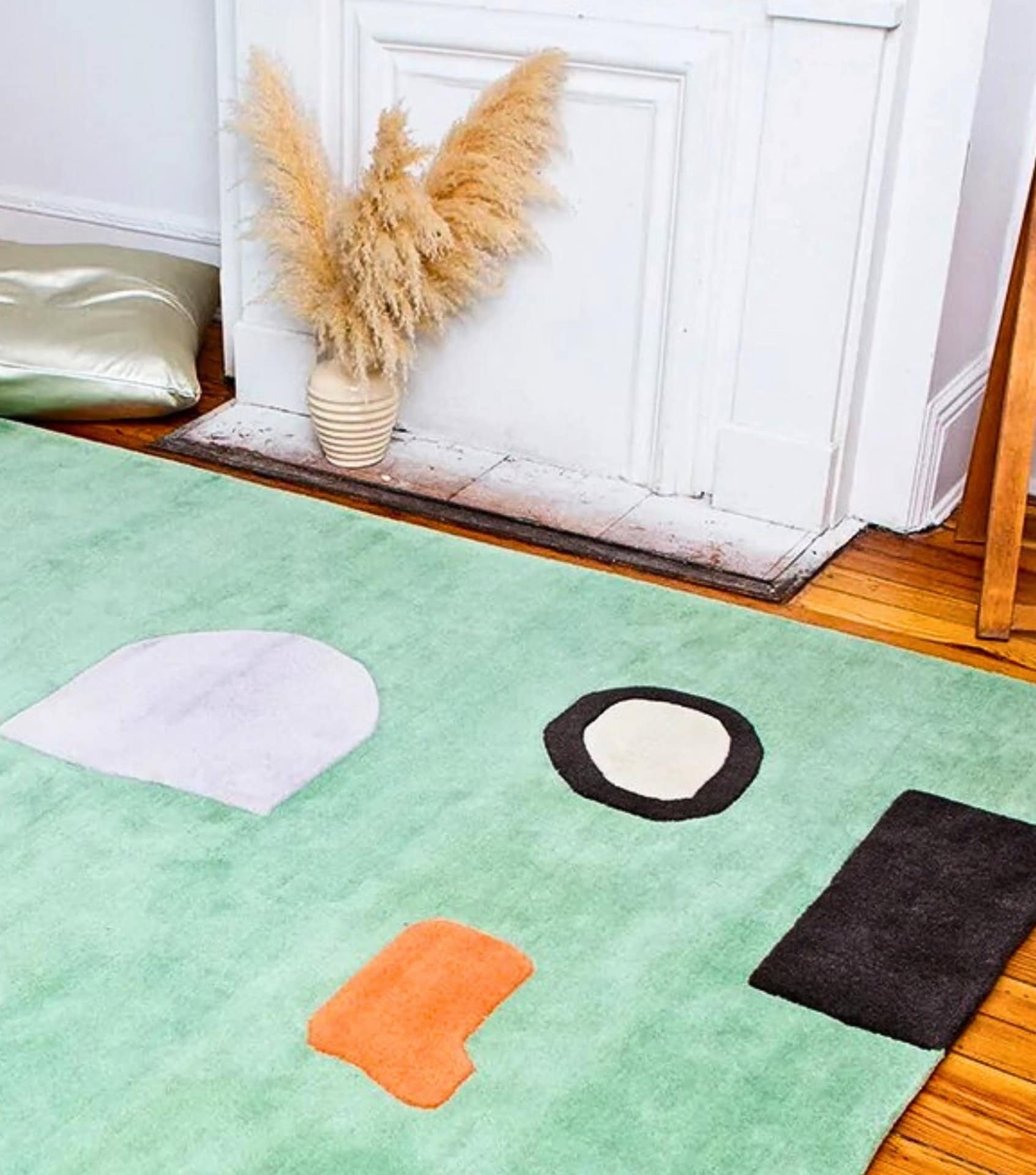
Abstract designs from Cold Picnic add flavor to your floor while simultaneously keeping your home toxin-free with the likes of ethical wool sourced from New Zealand and backed by relevant certifications.
Index: Non-Toxic & Organic Rugs
- Lorena Canals Jump to brand
- Kilim Jump to brand
- Cold Picnic Jump to brand
- Fhygge Jump to brand
- Leah Singh Jump to brand
- Loomy Jump to brand
- Hook & Loom Jump to brand
Lorena Canals
About Lorena Canals
Price Range: $40–$995
Lorena Canals lays some real groundwork for what it means to be a sustainable rug brand. This woman-owned company offers a collection of non-toxic area rugs and interactive play rugs for kids.
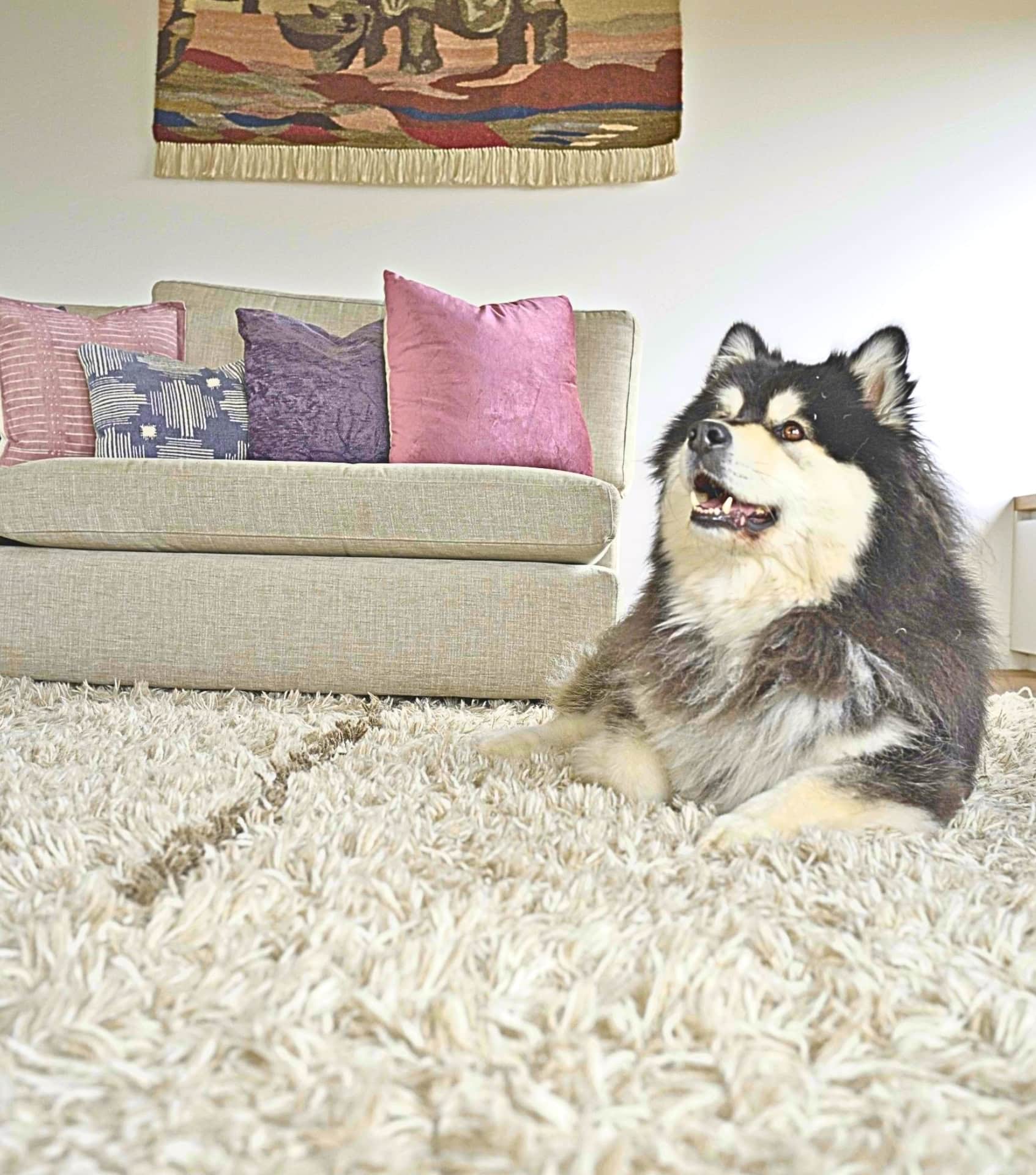
Our personal favorites are the Woolable Rug Autumn Breeze. We can’t get past the minimalist color palette which is a safe bet if you have, like us, an eclectic mix of decor. It’s also made of uber soft wool. We’ve had many a days (and nights) just lounging on the rug with our dog (picture above).
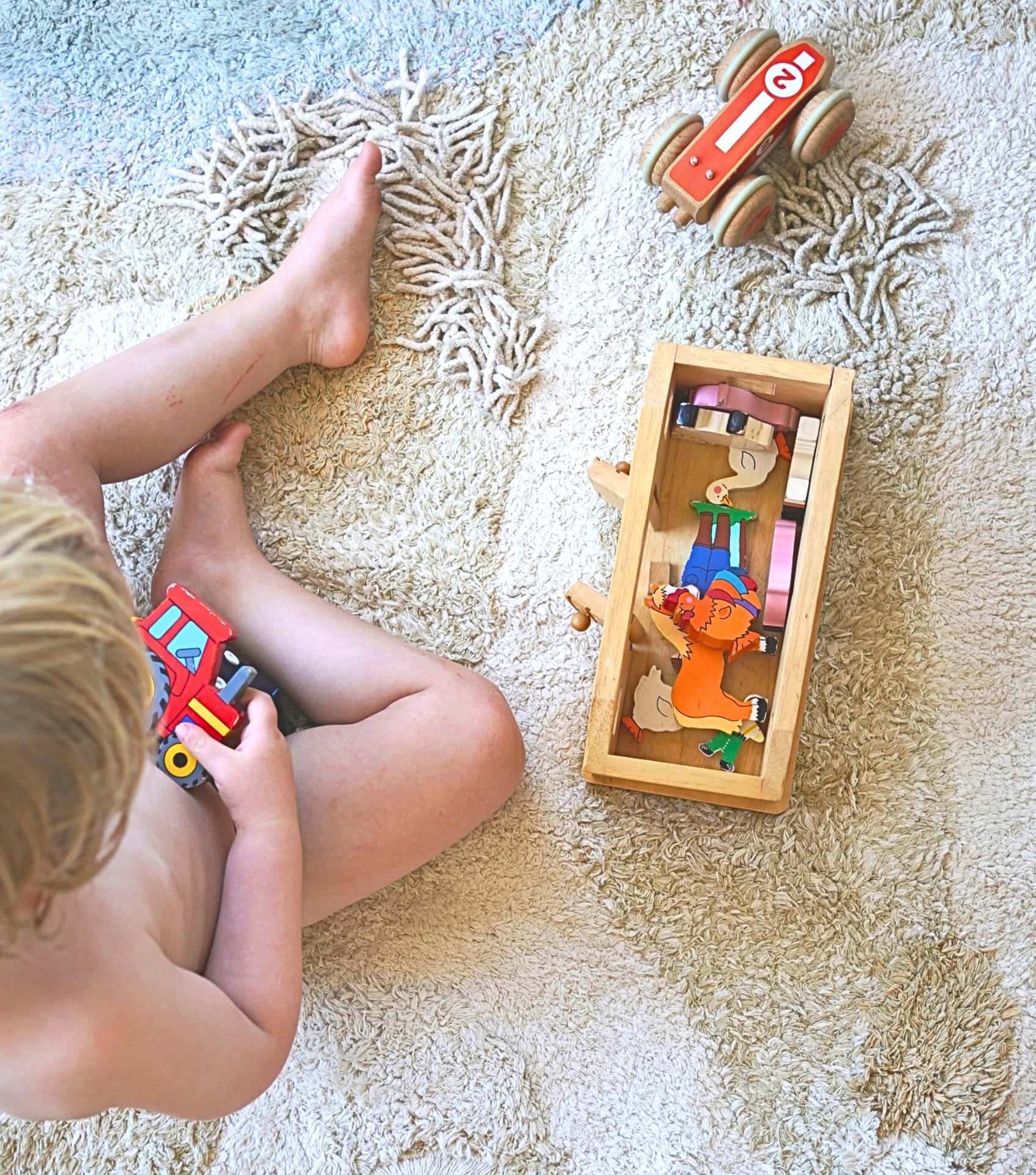
As for the kids washable play rug, we couldn’t get passed the Path of Nature. The dynamic contours, colors and textures are such a complement to encouraging our little boy to explore his imagination. Add in a few props and toys and there’s a good chance this will provide a basis for hours of role play.
Lorena Canals’ Ethical & Sustainability Practices
Materials:
The materials used include conventional and recycled cotton, ethically sourced wool, and production scraps, all of which are dyed (if dyed at all) using OEKO-TEX and GOTS-certified dyestuffs.
Supply chain & labor practices:
Lorena Canals makes their rugs in ISO 9001, 14001, and 18001-certified facilities in India, where their mostly female artisans are paid and treated fairly.
Carbon commitments & green practices:
Between using 100% recycled and recyclable shipping bags, recycling all textile scraps to create the RugCycled® line, and recycling all water used in dyeing, LC ensures nothing goes to waste. They also use a cone-dyeing process that is 75% more water efficient than traditional dyeing.
Community & charitable giving:
Through their Sakûla Project, Lorena Canals helps provide child care (including meals and education) for their factory workers. They further support education by funding an Indian school.
Kilim
About Kilim
Price Range: $79–$4,950
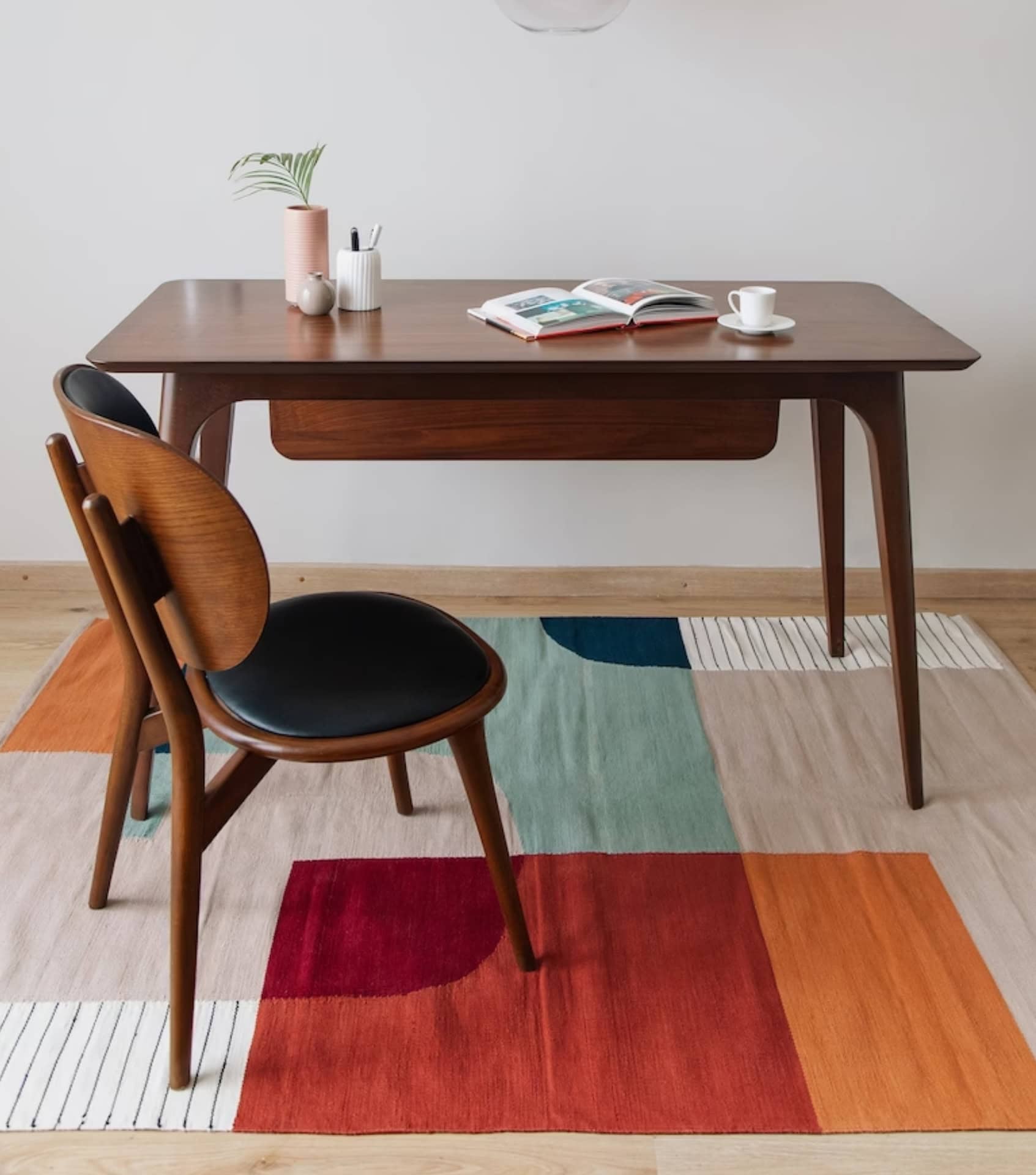
Kiliim is a Cairo, Egypt-based social enterprise that partners with the nearby town of Fowa, once a hub for kilim weaving until cheaper machine manufacturing created a major decline in the industry. Kilim’s mission is to return to these hand weaving roots and “put Fowa back on the local and international map for authentic craftsmanship”.
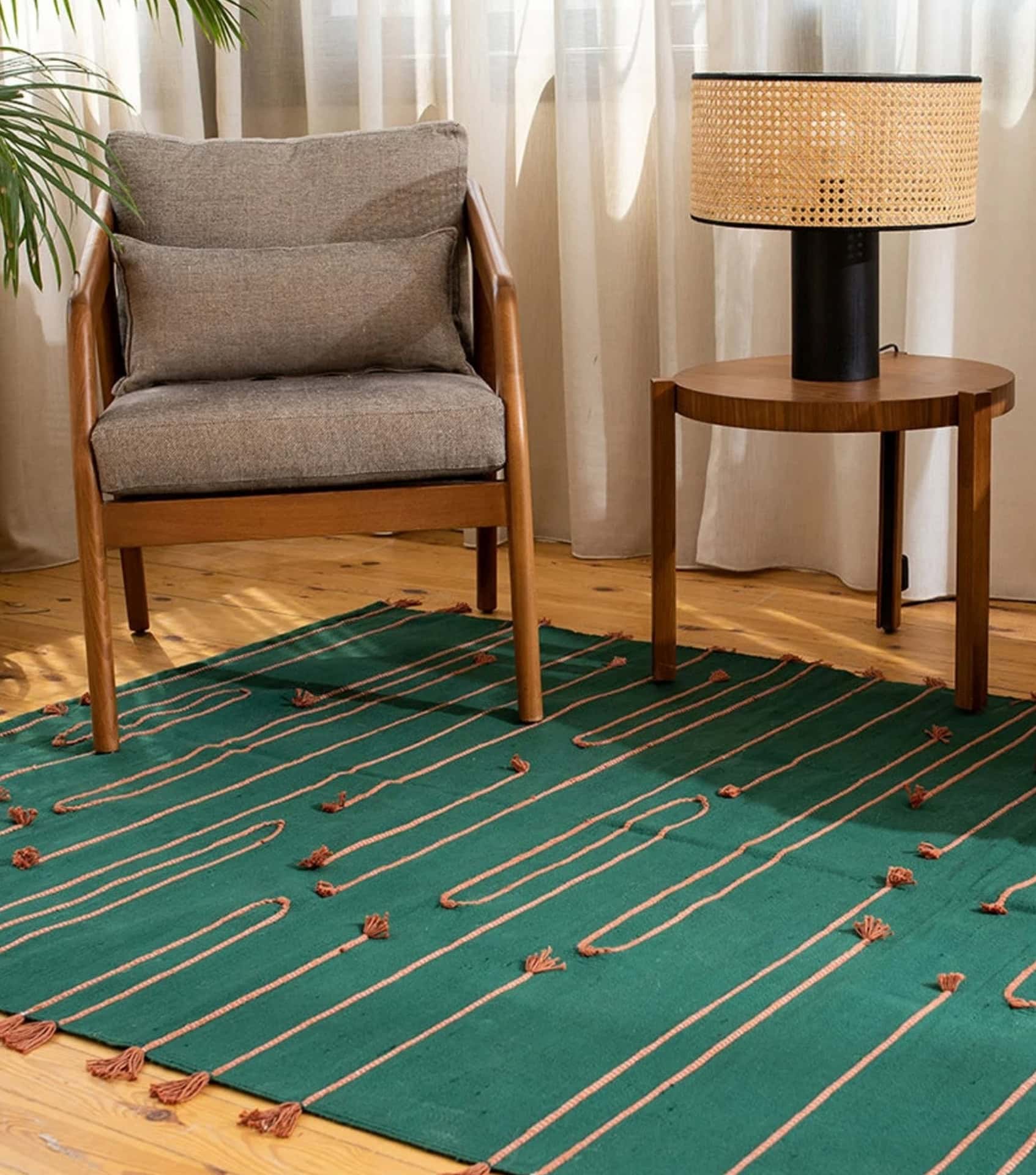
Each natural rug design bears a unique blend of art deco inspiration with pharaonic forms, drawn together with vibrant colors like the gorgeous gold of the the Roots Wool Rug.
Kiliim’s Ethical & Sustainability Practices
Materials:
Fine quality wool, Egyptian cotton, and jute are found in these organic rugs, each atop a non-toxic cotton rug base. The beautiful colors come from colorfast natural, sustainable dyes.
Supply chain & labor practices:
Every piece is handcrafted and flatwoven in Fowa Egypt, supporting not only Egyptian cultural heritage, but also local artisans, who are paid fair wages.
Cold Picnic
About Cold Picnic
Price Range: $150–$1,950
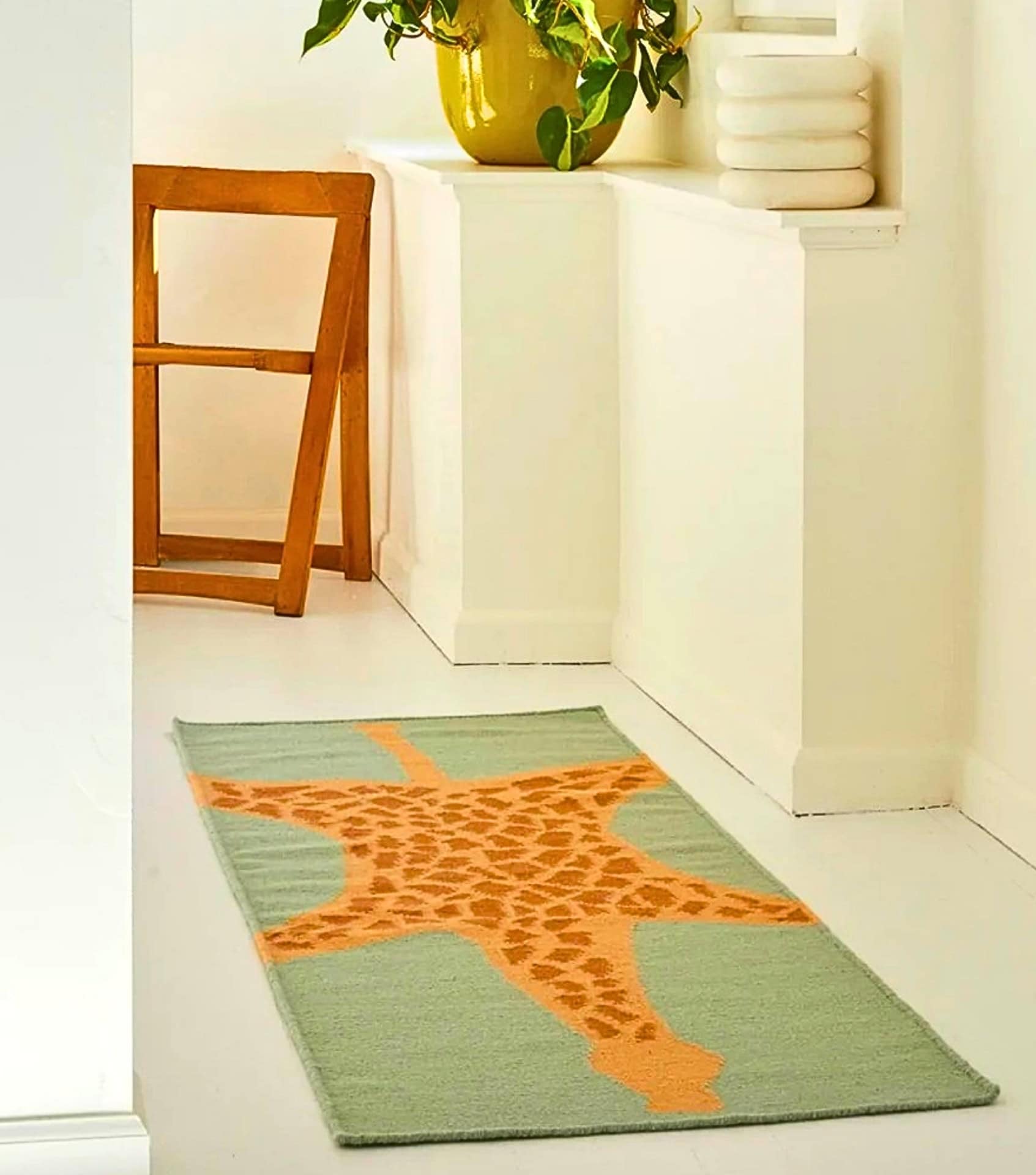
For a whimsical toxic-free carpet that will make you feel like you’re picnicking in a field of wildflowers, check out Cold Picnic. They offer a complete range of home textiles, including throw pillows and blankets.
But their modern organic rugs are all the rage, whether you’re in need of something small like door mats and runner rugs or want to outfit your entire living room with the Outback Wool area rugs.
Cold Picnic’s Ethical & Sustainability Practices
Materials:
These OEKO-TEX rugs are made of either New Zealand ethical wool, bamboo silk, or hemp (if you want an outdoor-friendly option). Regardless, you’ll find no flame retardant chemicals.
Supply chain & labor practices:
Products are made at one of two factories in India. Each one bears certifications from either GoodWeave and Care & Fair (C&F) or SA8000, GOTS, and GRS.
Carbon commitments & green practices:
Between manufacturing rugs using 100% solar power and reusing the packaging used in rug transport, they’re trying to keep emissions smaller than their compostable-packaged bath mats.
Community & charitable giving:
Cold Picnics rug factory in Indian funds a local school, and the brand itself donates proceeds from certain products to numerous nonprofits. Some of their current collection features pieces from a contest for Black art and design students. The winners keep all profits.
Fhygge
About Fhygge
Price Range: $85–$900
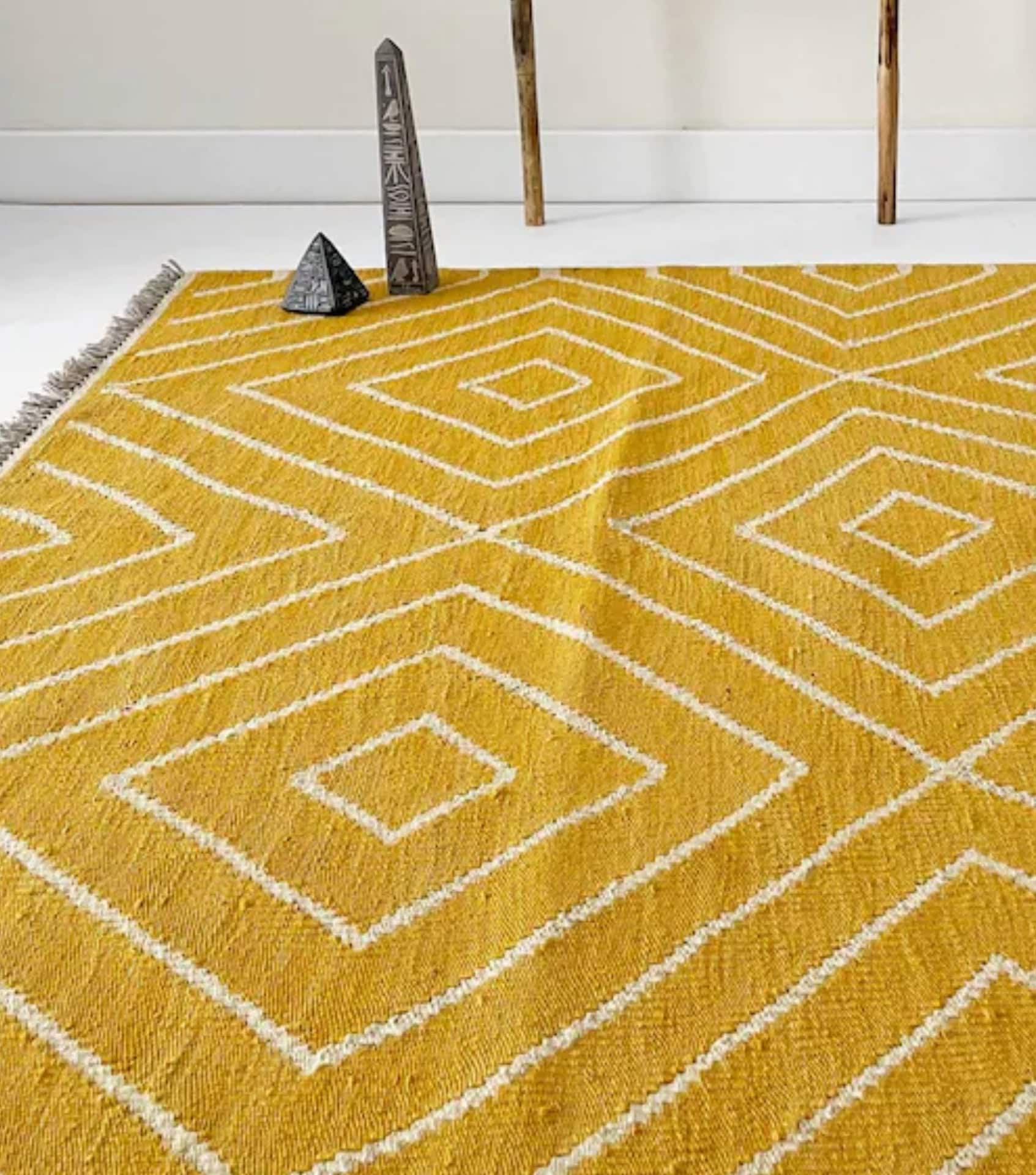
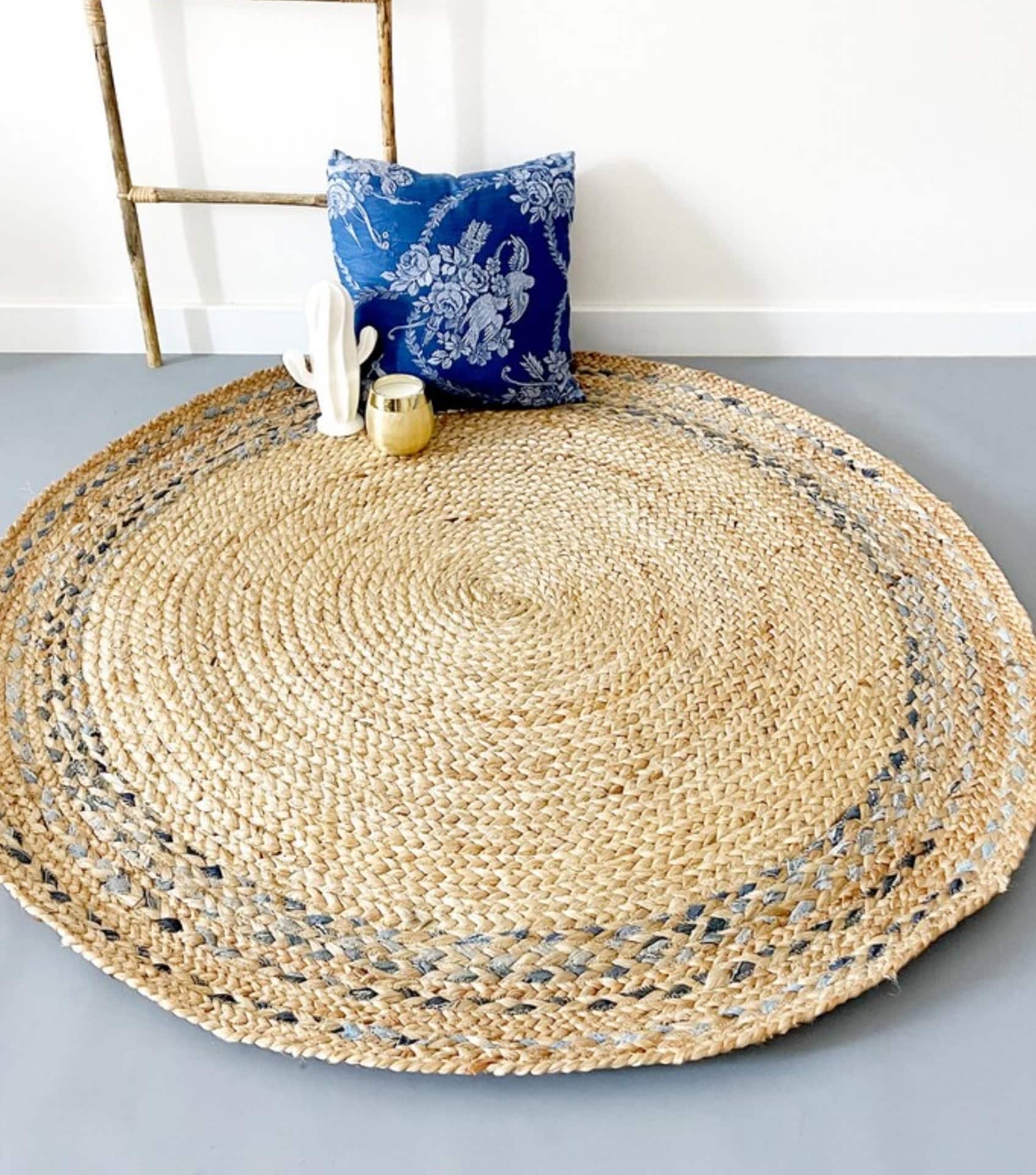
Art, creativity, and sustainability: the trifecta behind Fhygge designs. Based in Barcelona, Spain, the lifestyle-centered brand has a range of kilim-style woven tapestry rugs.
Choose from area rugs, runners, custom sizes, round rugs, and several multicolor kids rugs. Your home won’t just be clean of harmful chemicals and flame retardants, but will look clean thanks to their ivory-based color palette.
Fhygge’s Ethical & Sustainability Practices
Materials:
In addition to making wool and organic cotton rugs, Fhygge offers hemp or organic jute rugs. Vegetable-based dyes are the foundation for their color schemes.
Unfortunately, their PVC rug pad isn’t suitable for those seeking non-toxic rug pads, so we recommend finding this elsewhere.
Supply chain & labor practices:
Though we have reached out, Fygge has not confirmed wool sourcing or supply chain details with us.
Leah Singh
About Leah Singh
Price Range: $250–$1,700
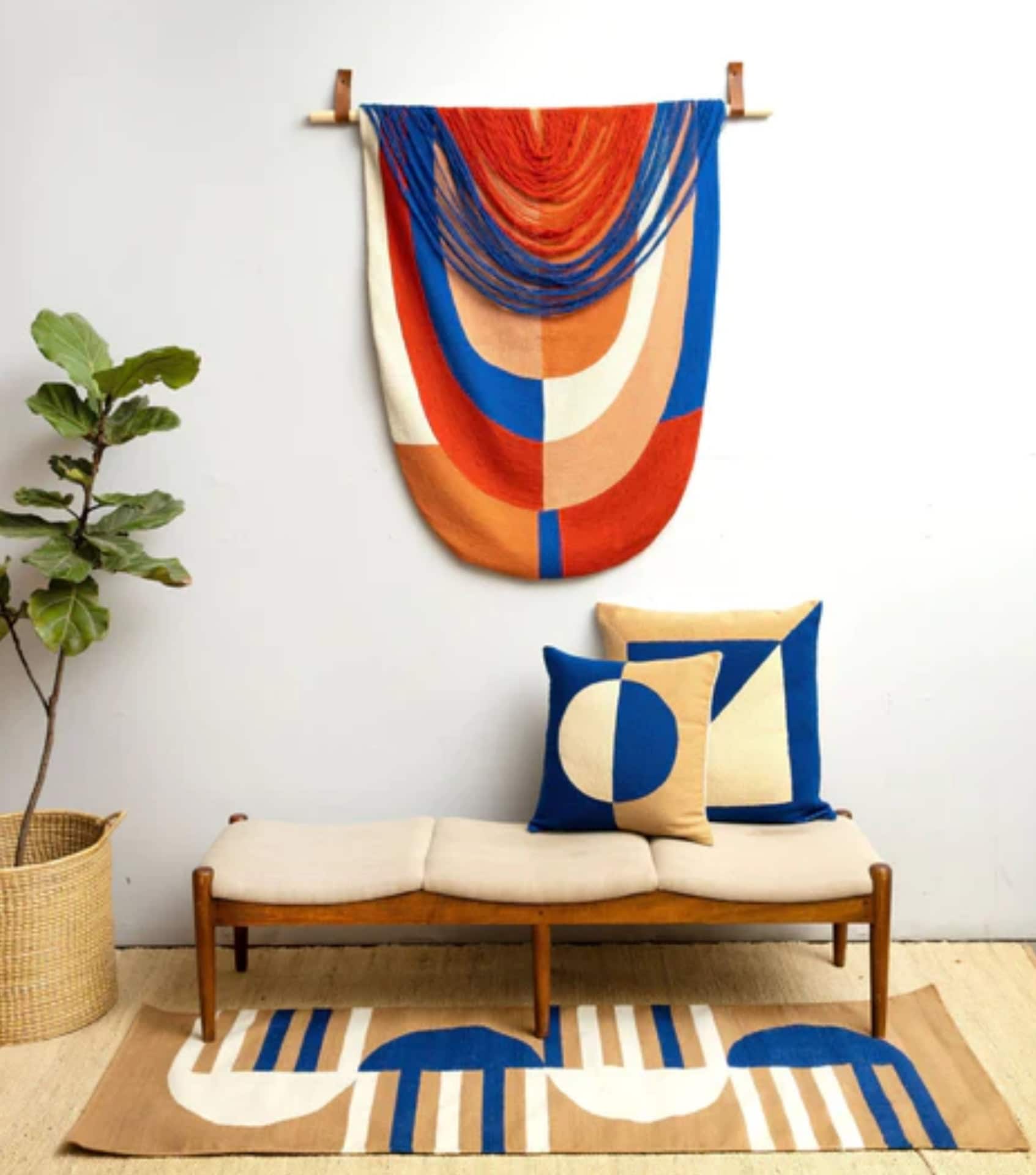
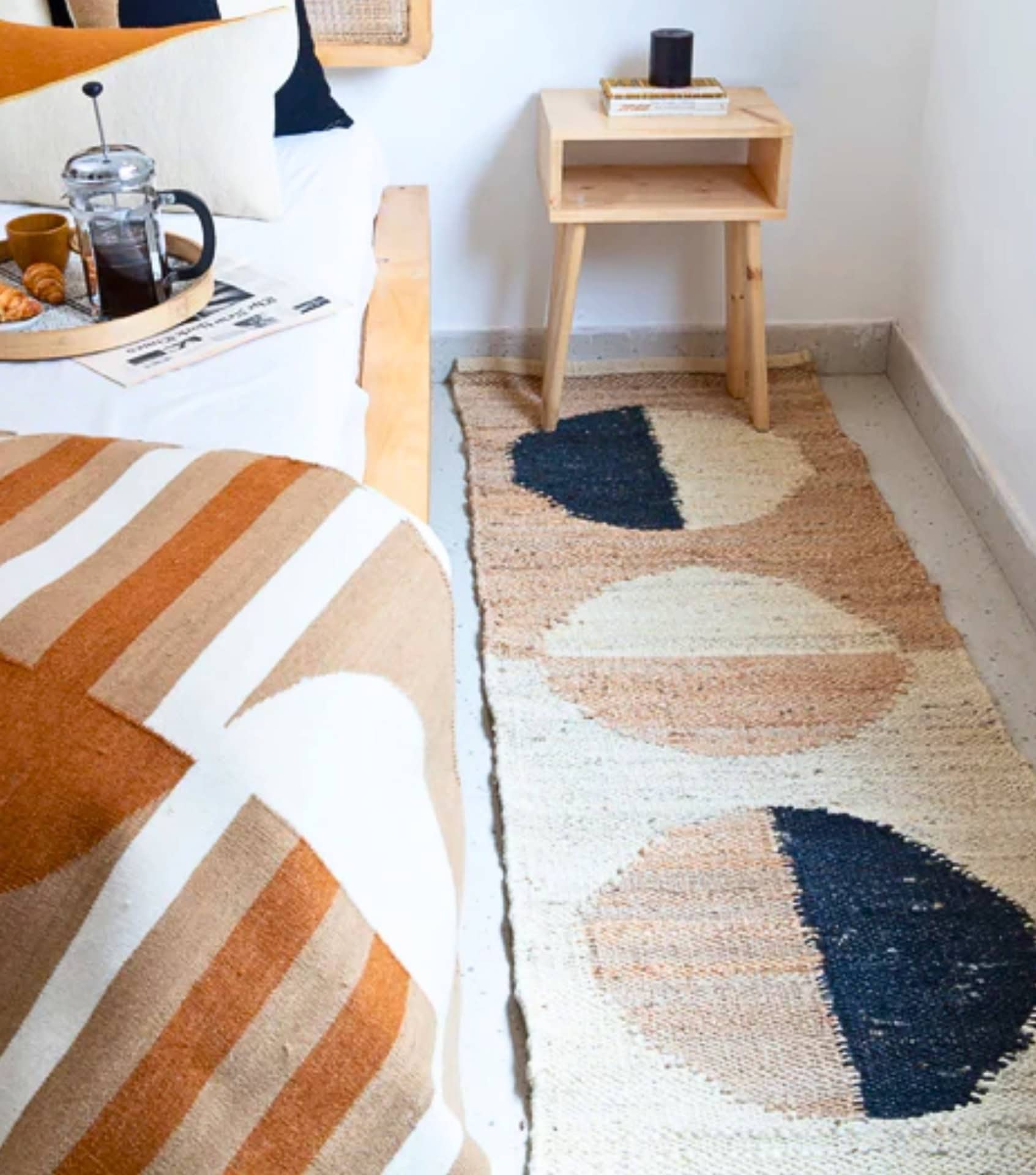
Leah Singh is bringing back some of India’s age-old, traditional crafts “by transforming them into modern objects”. They’re doing so by partnering with fair trade artisans across six regions of India to create area rugs, small mats, and runner rugs like stunningly symmetrical geometric Luna Mod Wool Rug.
Leah Singh’s Ethical & Sustainability Practices
Materials:
Choose between a handwoven wool rug or jute rug, both dyed with AZO-free dyes.
Supply chain & labor practices:
All rugs are designed by Leah and her team in New Delhi, India. To make designs tangible, they partner directly with village artisans across India. GoodWeave certification means the rugs were made without forced or child labor, and every purchase supports programs that provide respectable work for adults and education opportunities for children.
Carbon commitments & green practices:
Rugs are sent in biodegradable poly bags made from rice and potato starch.
Loomy
About Loomy
Price Range: $348–$10,500
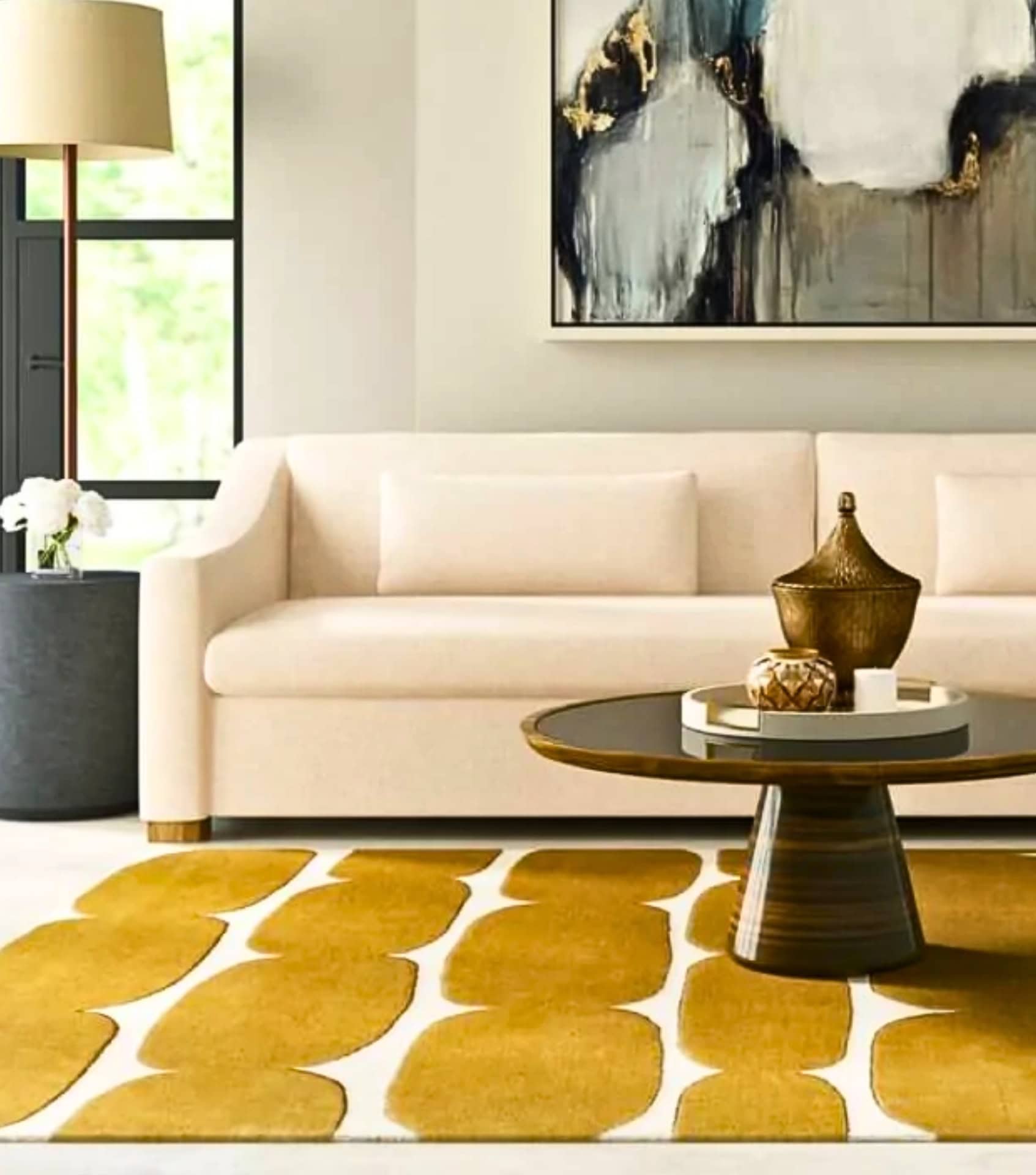
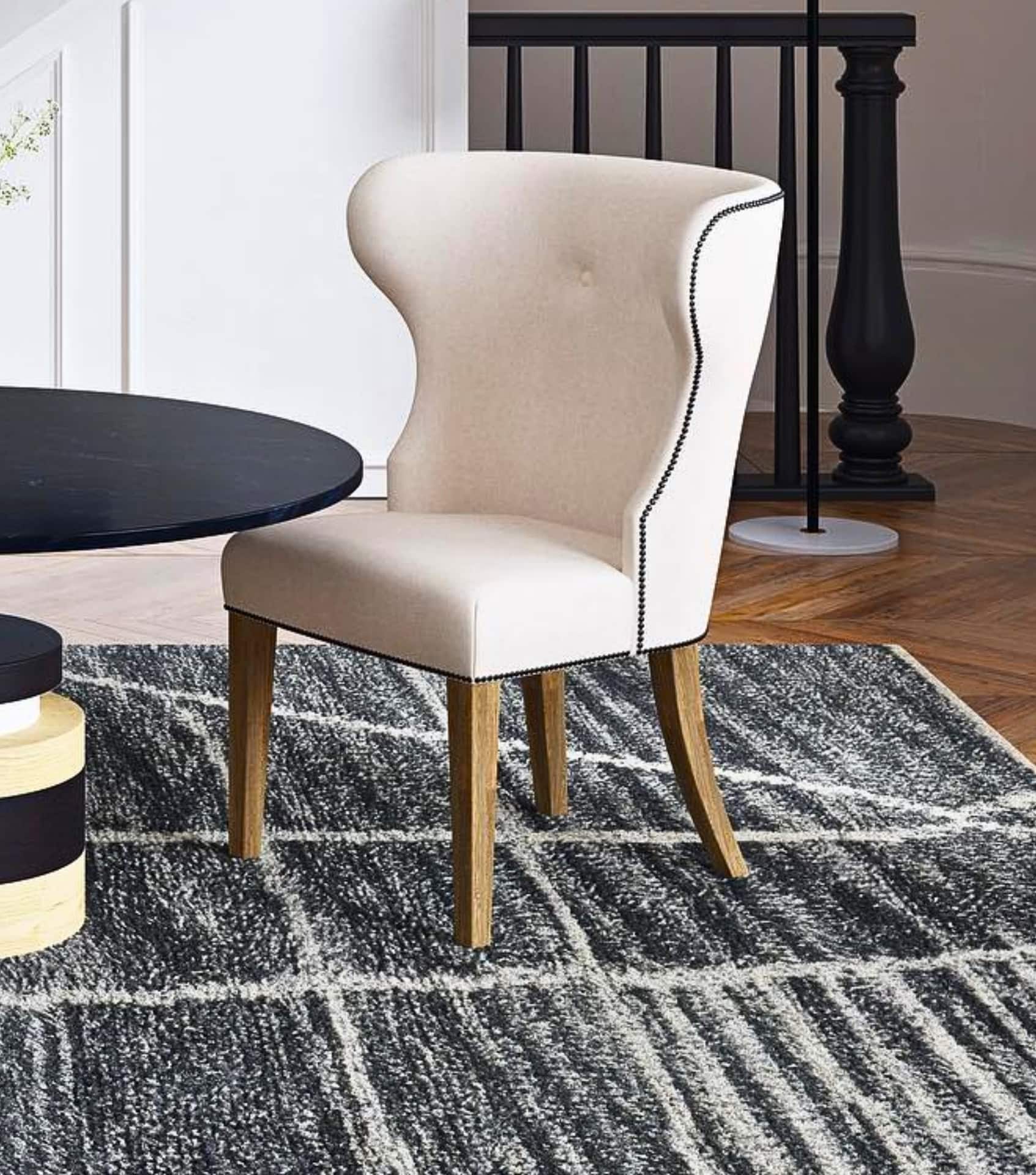
Woman-founded Loomy is all about the topic of the day. While not the most affordable non-toxic rugs in this list, these investment pieces sure do make a statement.
Natural rugs, performance rugs, pet-friendly rugs, indoor/outdoor rugs, vegan rugs, vintage rugs, you name it. There’s a rug for every room, including kids’ rooms—like the adorable Zebra Rug. While we wouldn’t judge adults for also digging these cute kids’ rugs, their “adult” options come with no fewer varieties’ of sizes, designs, fun prints and patterns.
Loomy’s Ethical & Sustainability Practices
Materials:
Loomy uses either natural or recycled materials, all of which are OEKO-TEX certified and dyed with low-impact dyes. These include cotton, ethically-sourced New Zealand wool, jute, sisal, hemp fabric, viscose, and banana silk, as well as upcycled plastic bottles.
Supply chain & labor practices:
“Loom to room” reflects their desire to achieve full traceability. By working with indigenous communities and artisan weavers far and wide, they’re helping to preserve traditional skills and provide meaningful livelihood opportunities.
Carbon commitments & green practices:
Loomy’s non-toxic carpets are made by hand, in small batches, which reduces the amount of rug waste in landfills—which they say accounts for 2% (!) of all landfill waste in America. Each one is made in a closed-loop manufacturing process, too.
Hook & Loom
About Hook & Loom
Price Range: $42–$1,965
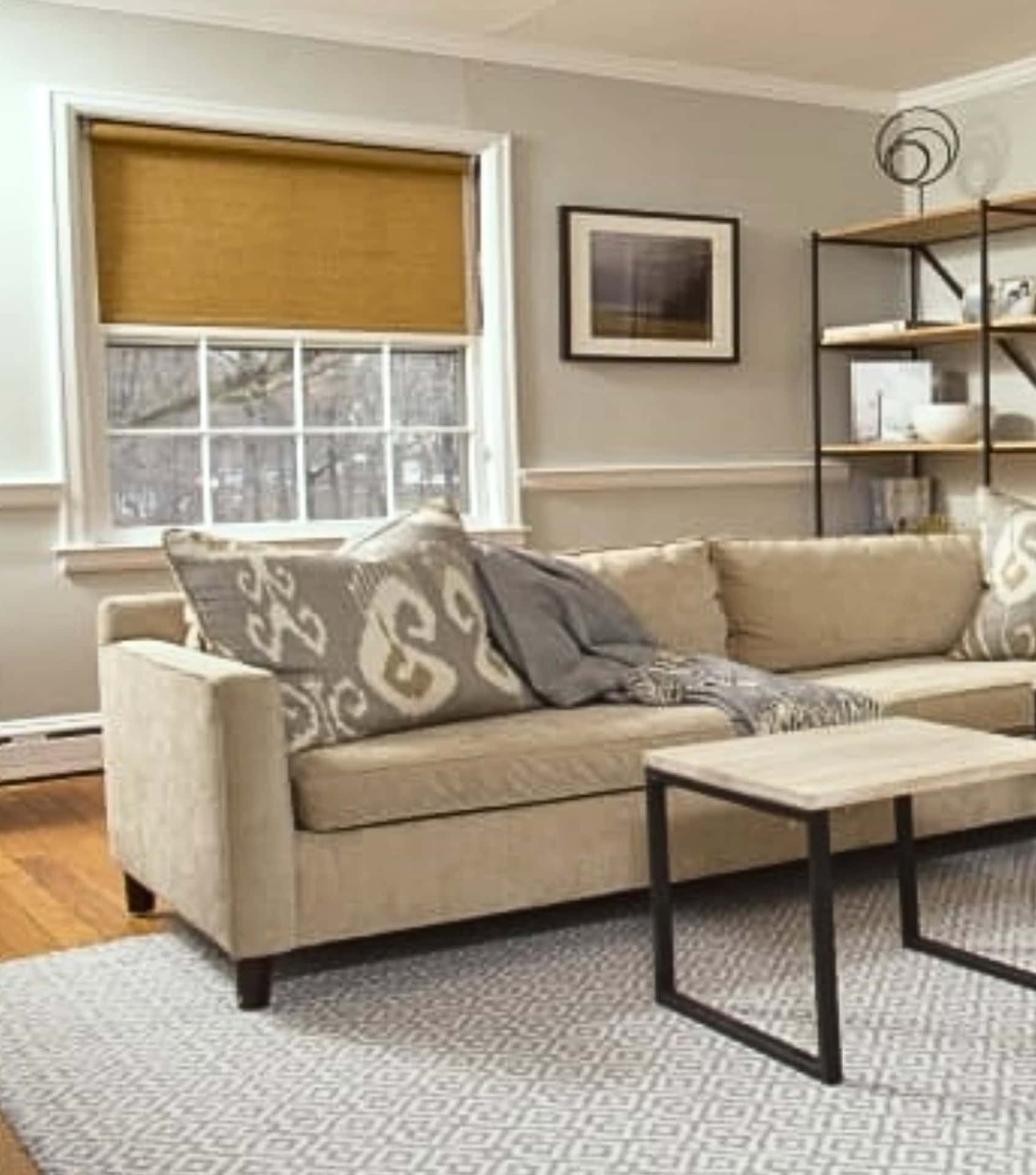
For Hook & Loom, our planet comes first—but human health is a close second. They write: “Just as our workplace will be safe to weave in, our products will be safe to roll around on.”
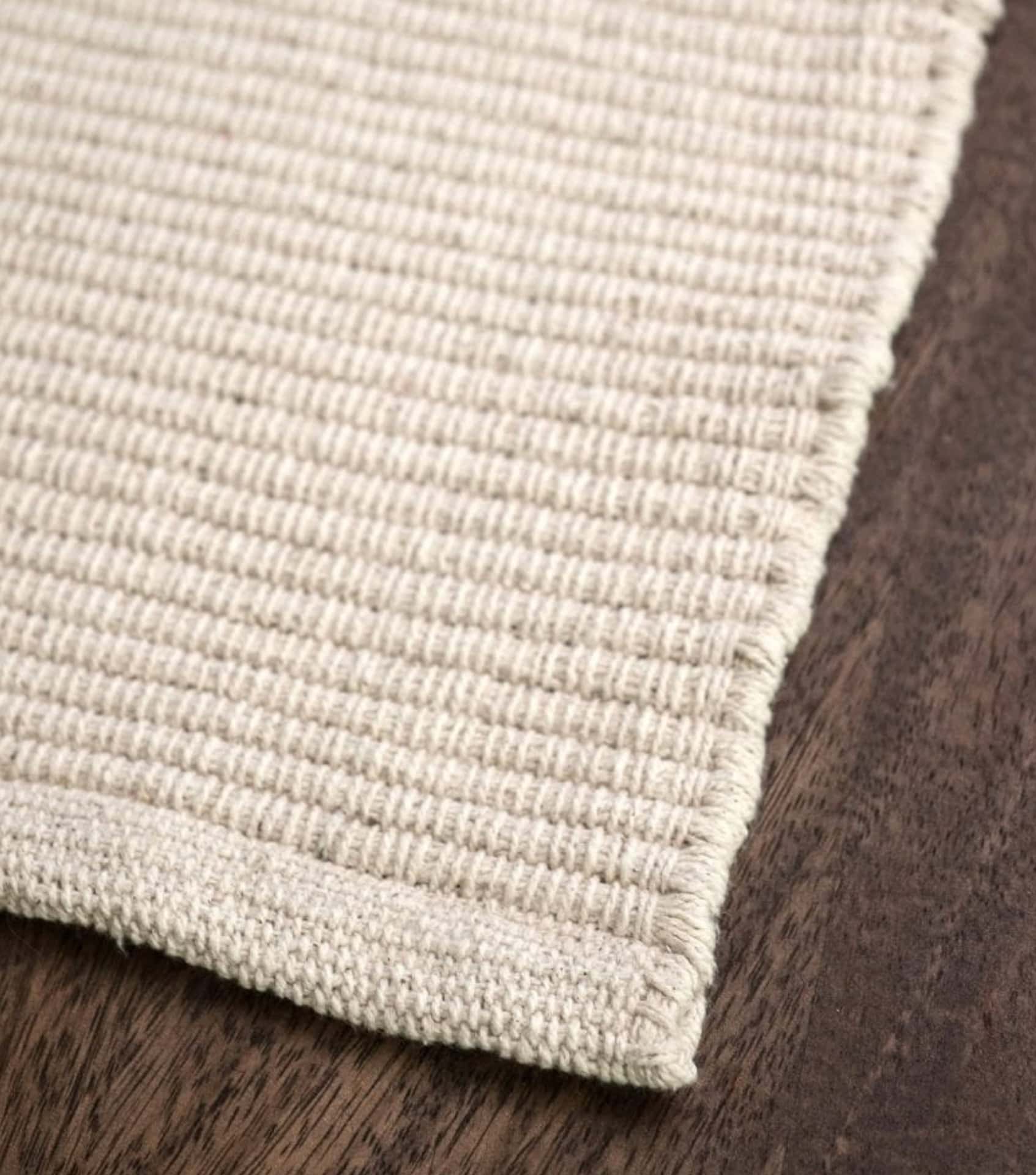
Choose between any size—door mats to area rugs—and different traditional techniques, including loom-hooked, flatweave, and braided. They’re also one of the few non-toxic nursery room rug brands.
Hook & Loom’s Ethical & Sustainability Practices
Materials:
Hook & Loom rugs are sans flame retardants, harmful detergents, pesticides, off-gassing latex, plastic backing, or finishing sprays. What you will find is recycled cotton (which may contain minimal percentages of polyester), undyed natural wool, and GOTS-certified organic rugs made of cotton.
The organic wool rugs are extra special because they use “No dyes. Ever.” But undyed wool doesn’t mean white. Colors come from the natural color variants in different coats.
Supply chain & labor practices:
The rugs are made by fairly compensated employees, never with child or forced labor.
Carbon commitments & green practices:
In place of backing and adhesives, all rugs are handwoven and hand-bound. This also makes the flatweave rugs reversible. Instead of buying an extra rug to switch things up, just flip it over.
Why Invest In An Organic Rug?
Most conventional rugs are made with plastic, releasing toxic chemicals (toxic dyes, endocrine disruptors, flame retardants, and backing adhesives that contain formaldehyde…) into your personal sanctuary.
Finding chemical-free rugs and carpets is all well and good in theory, but is it easier said than done? With all the greenwashing out there, how can you know you’re actually getting a safe rug?
For instance, the popular brand Ruggable claims to make 100% non-toxic rugs, but given they’re made of nylon or polyester, how true can that be? How toxic are Ruggable rugs? Well, the pads are coated with a waterproof PVC film, and given the numerous health hazards associated with PVC, that’s enough for us to rag on these rugs.
Then there’s another common confusing rug material: polypropylene. While the EPA considers it safer than other types of plastic, a polypropylene rug may still contain trace amounts of BPA. What’s more, studies have shown polypropylene can affect androgen hormones, which causes a cellular toxic response.
All that is to say that marketing should be taken with a grain of salt. Do you research before you invest a hefty sum in a rug or carpet.