


It’s time to wash away the misinformation about non-eco-friendly fabric softeners and let you in on a little secret: this laundry product is not nearly as “necessary” as we’ve been led to believe.
This multi-billion dollar industry has many duped in the name of “extra laundry care” and faux fragrances. In 2020, the global fabric softeners market was estimated at a whopping $15.7 billion and expected to increase to $19.7 billion by 2026.
While you (like us) may decide to ditch softener altogether (scroll to the bottom and we’ll explain) there are some sustainable fabric softeners that are also a little softer on the planet.
As we refresh our articles in coming months, our Brand Rating System will help us ensure we’ve selected the best brands by looking at eco-related considerations like chemical use and climate impact. You can learn the details about this system here.
We independently research all featured brands and we ask them to confirm their claims. In many cases we personally review recommended products. This post contains affiliate links which means we may earn a commission if you buy something. Learn more here.
The Best Environmentally Friendly Fabric Softeners For Soft, Sustainable Washing
Viren Apothecary uses a simple formula (we can understand) in a refillable glass jar to enhance dryer balls featuring earth-derived ingredients that won’t harm your skin or your septic system.
To go really pure, try our super easy two-ingredient DIY recipe that’s about as soft as you can get… on your wallet, your clothes, and the Earth!
Index: Non-Toxic Fabric Softeners
- Public Goods Jump to brand
- Grove Co Jump to brand
- Viren Apothecary Jump to brand
- Dropps Jump to brand
- Elisa & Millie Jump to brand
- Non-Toxic DIY Fabric Softeners Jump to brand
Public Goods
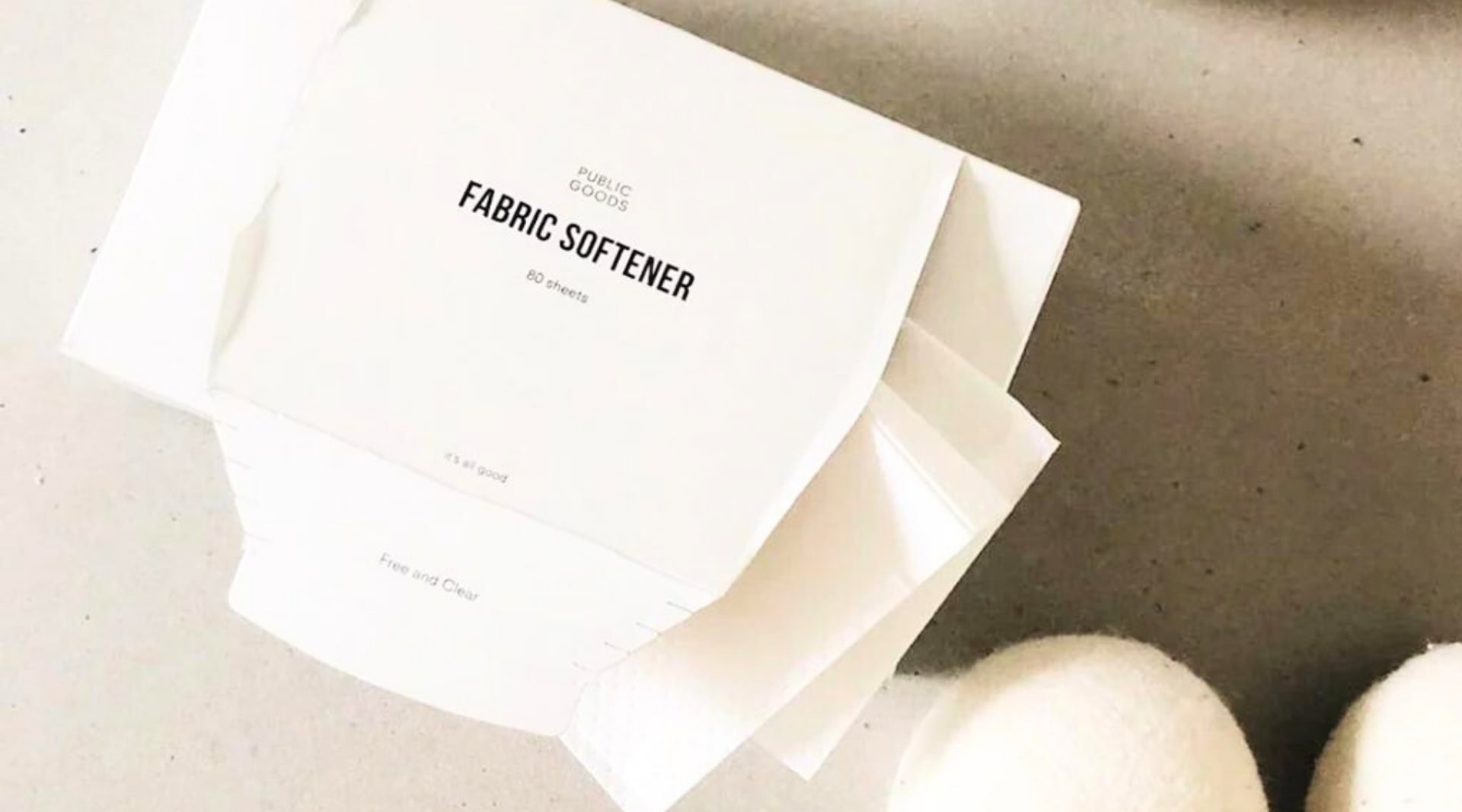
Public Goods’ Fabric Softener Sheets
Price Range: $7
If you like your softening done in the dryer and you haven’t yet switched to dryer sheet alternatives, consider switching to Public Goods. With a rayon base and natural softening enzymes, the fully plant-based ingredients form non-bioaccumulative and biodegradable fabric softener sheets.
Public Goods say they can also be composted (we haven’t tested this), but they’re not certified home compostable and we haven’t received a response as yet to our enquiry on this.
Fragrance-free, gluten-free, and phosphate these dermatologist-tested hypoallergenic sheets are suitable to use as baby safe fabric softener.
About Public Goods
Public Goods are on-point for their vegan, cruelty-free, organic, minimalist approach to product ingredients and packaging. Everything is made in Wisconsin and shipped carbon-neutral in glass jars, recycled paper, or compostable packaging.
Grove Co
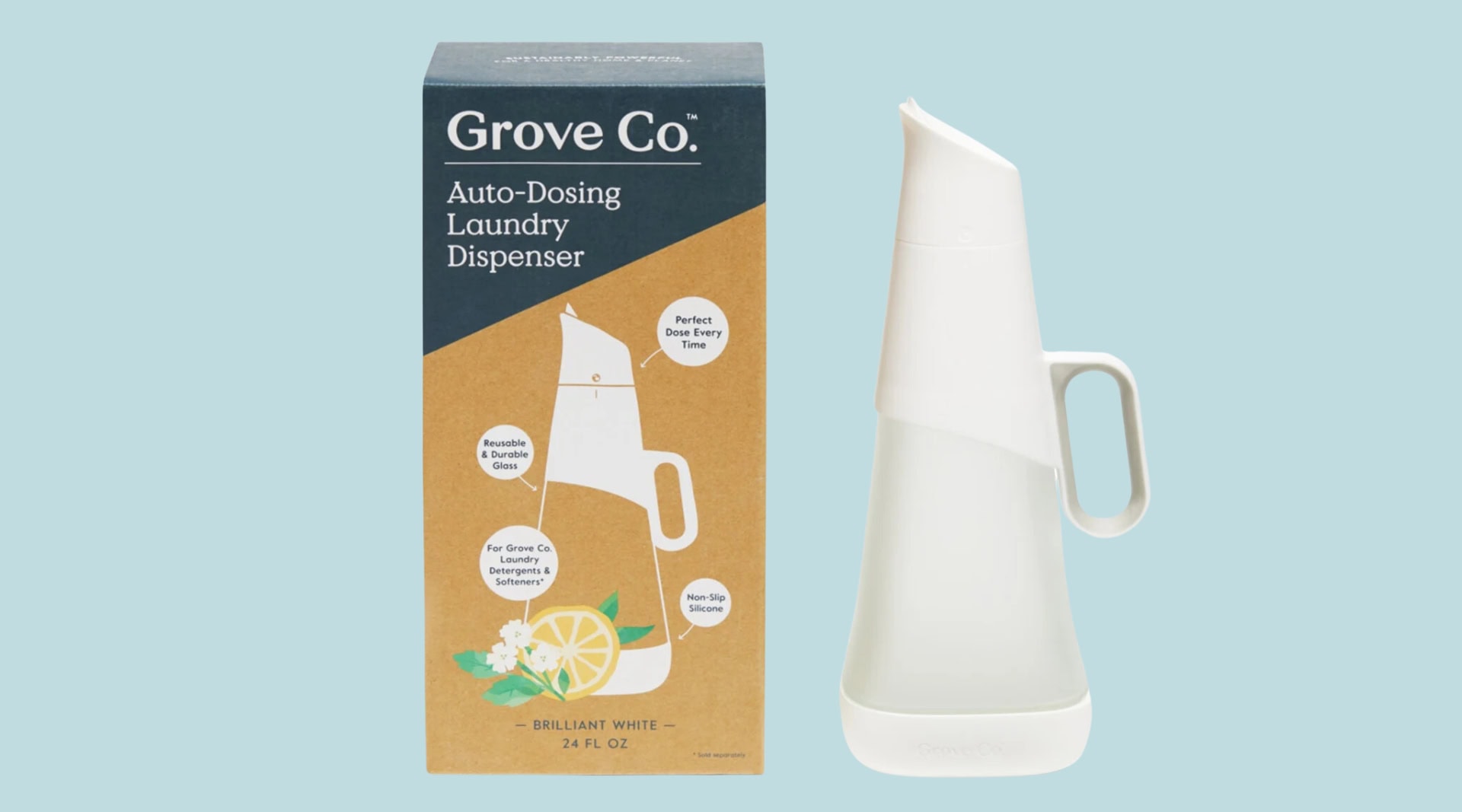
Grove Co’s Fabric Softener
Price Range: $5–$22
Grove Collaborative offers a fabric softener designed to replace all the chemicals associated with scent boosters and fabric softening sheets/liquids. Their non-toxic liquid softener uses the power of plants to soften and reduce static, in Free & Clear (unscented) or Lavender & Rosemary scents, derived from essential oils.
Reviewers love the scent and softening power, but warn of the solution’s thickness, which can clog the dispenser if not diluted properly. Those with the best experience suggest diluting with a lot of water—which, given that the refill pouch costs as little as $5 on subscription, it’s a huge bang for your buck.
They contain a grand total of just seven plant-based or mineral ingredients and you can access the safety data sheets on these formulas right in the product description.
The softening liquid comes in a recyclable plastic pouch that reduces 60% of plastic waste, but if you opt for the starter set, you’ll also get a reusable BPA-free bottle with a silicone sleeve. By emailing them at recycle@grove.co you can get a prepaid return label to recycle the flexible plastic pouches and the container.
About Grove Co.
If the name didn’t give it away, Grove is actually a platform collaborative of over 200 sustainable brands—one of which is Grove’s own in-house brand. They themselves are a Certified B Corp, USDA-Biopreferred approved, and ship carbon neutral.
From eco-friendly dishwasher tablets to toilet paper, Grove carries a huge line of non-toxic, cruelty-free, and plant-based cleaning and personal care products. Not everything is zero waste—in fact you’ll find a number of plastic bottles on that site—but they’re taking responsibility by offsetting all plastic use and offering a recycling take-back on Grove branded products. The goal is to be plastic-free by 2025.
Viren Apothecary
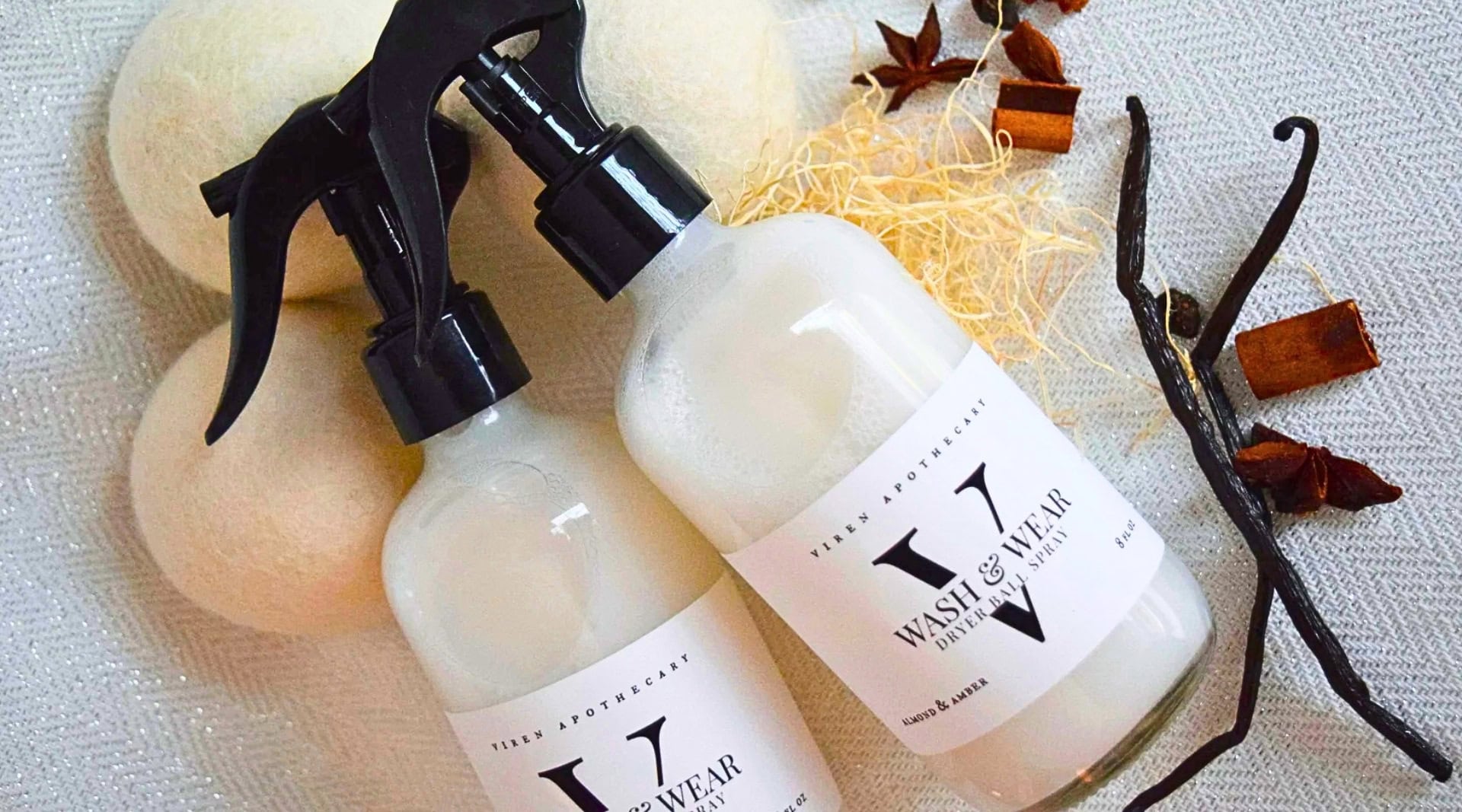
Viren Apothecary’s Fabric Softener
Price Range: $14
Using reusable wool dryer balls but still stuck with static electricity?
Striving to fill empty holes in the market by designing a new and original product, Viren Apothecary offers a Wash & Wear dryer ball spray that helps you reap the eco and softening benefits of dryer balls—either unscented or with the added fresh scent of blue agave and aloe, cucumber and cotton, white tea and pear, or almond and amber.
Simply mist your dryer balls with the spray and add them to the dryer with wet clothes, or “spot soften” certain clothes by spraying directly. This highly concentrated and long-lasting product comes packaged in a reusable glass spray bottle, and refills come in reusable, recyclable aluminum bottles.
About Viren Apothecary
Viren Apothecary began with a pounding headache, a dirty kitchen, and a gallon of vinegar. Realizing how smelly the vinegar was, but still wanting a green cleaning routine, Viren’s founder Morgan Finley got to work to develop all-natural cleaning formulas.
Everything is free of palm oil, parabens, phthalates, phosphates, gluten, bleach, ammonia and more. All ingredients are sourced from either small, local businesses (which also avoid shipping emissions) or directly from traceable manufacturers using closed-loop bulk packaging.
Dropps
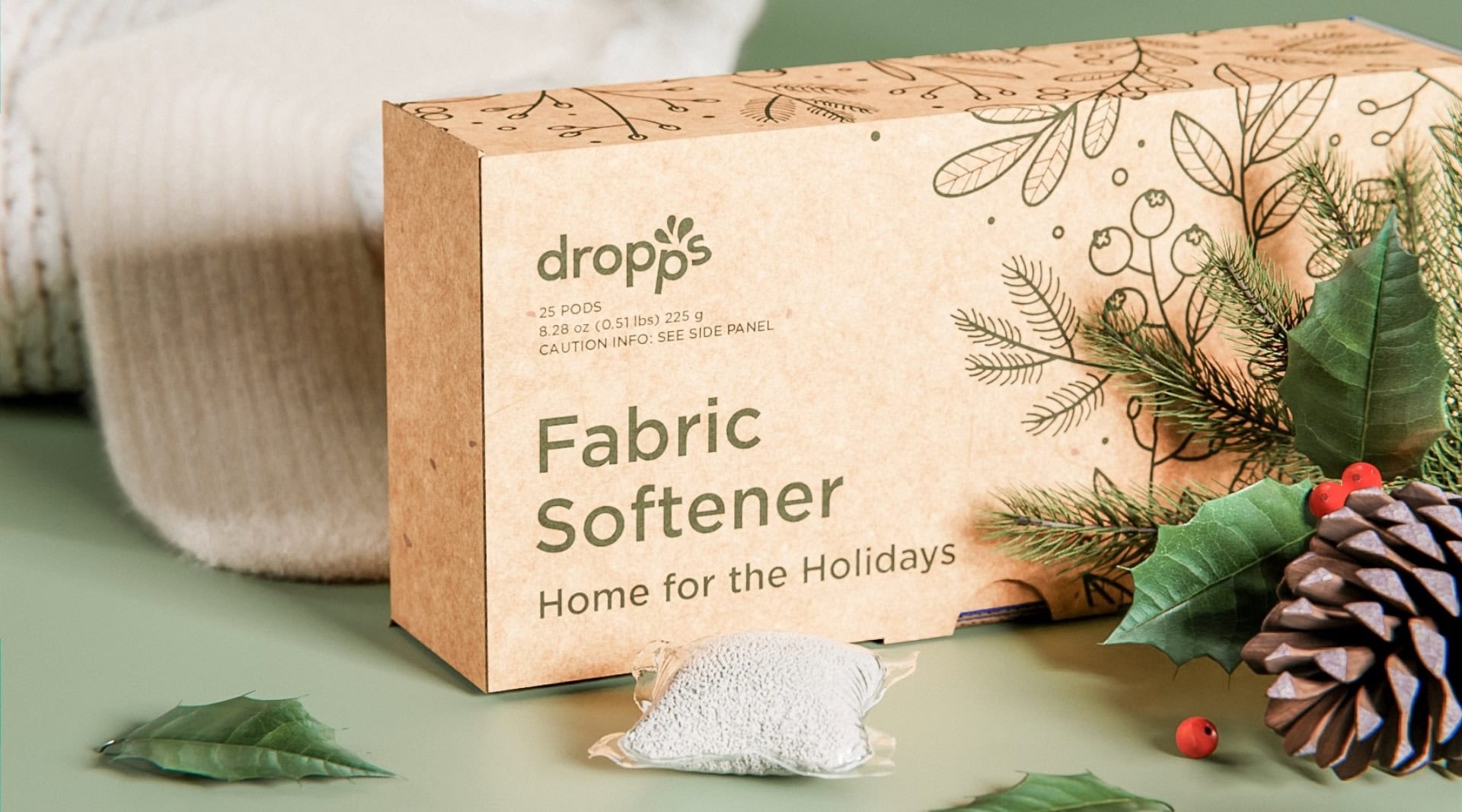
Dropps’ Fabric Softener
Price Range: $19–$25
Drop with ease into the softest laundry thanks to Dropps’ pre-measured pods that is bentonite and quartz-based, two natural minerals that help keep laundry soft, maintain the wicking performance of athletic wear, and keep towels absorbent.
While biodegradable and septic safe, they’re not technically plastic-free fabric softeners because the pods are made of dissolvable polyvinyl alcohol (PVOH/PVA) pods. Choose between six different scents: unscented, orange blossom, eucalyptus lavender, clean and crisp, home for the holidays, and ocean.
About Dropps
Dropps’ pod cleaners can be used for clothes, dishes, and more. They all come with carbon-neutral shipping through Clearloop and help rehabilitate every drop of the ocean through the brand’s support of Oceana for ocean clean-ups and conservation.
Elisa & Millie
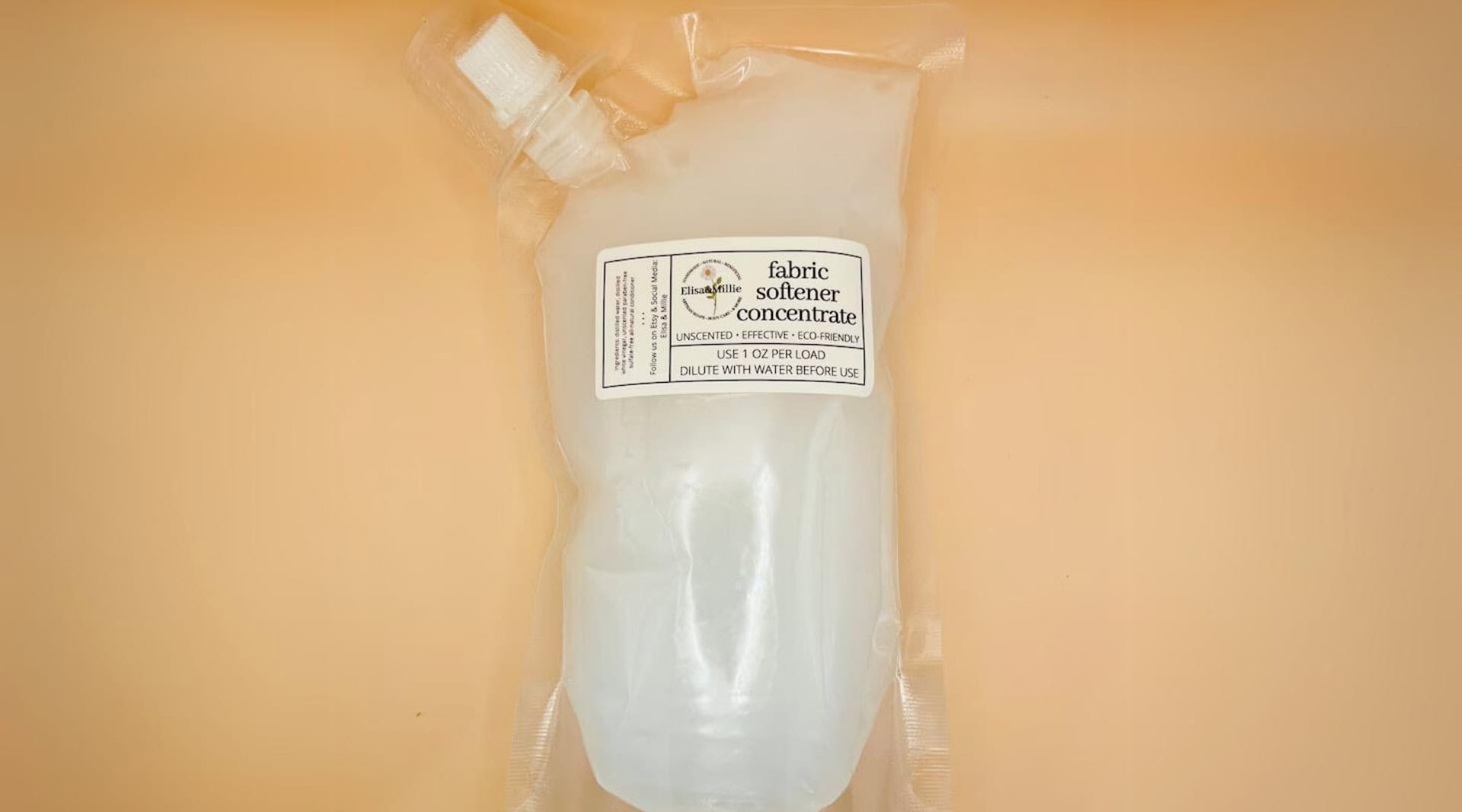
Elisa & Millie’s Fabric Softener
Price Range: $10–$16
Free from sulfates, phosphates, parabens, and BPA, Elisa & Millie’s environmentally friendly fabric softeners are made for sensitive skin—meaning no colors, allergens, artificial chemicals, or surfactants.
Simply dollop 1-2oz into your eco-friendly washing machines (HE and conventional alike), choose either hot or cold water, and you’ll be wowed at how clothes feel softer and static free.
While it comes in a not-so-eco-friendly plastic pouch, items are shipped carbon-neutral through their Etsy partnership.
About Elisa & Millie
North Carolina-based owner Chelsey is mom to three children and three cats, and has put extensive time, research, effort, and love into her handcrafted, vegan, and cruelty-free products.
Non-Toxic DIY Fabric Softeners
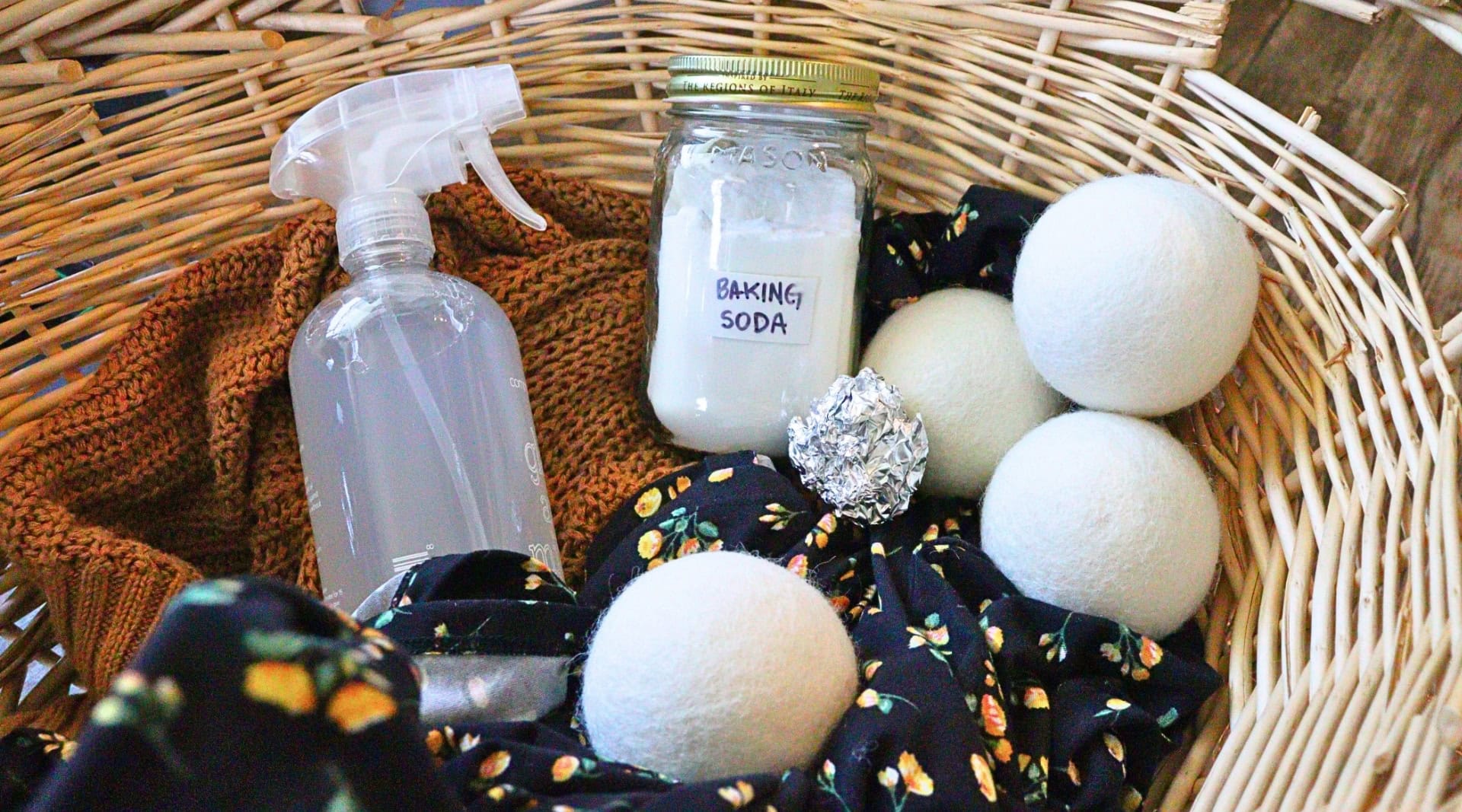
The best eco-friendly fabric softener likely already resides in the cupboards of your zero waste kitchen pantry—or at least the ingredients do.
Not only is the DIY approach easy on the environment, your skin, and your health, it’s also just plain easy! All you need is water, baking soda, vinegar, and optional essential oils.
- Mix two parts warm water to one-part baking soda in a bowl.
- Stir until mixed and add in one-part vinegar.
- Add in 2-5 drops of essential oils, or until your mixture is scented as desired.
- Use ¼ cup of your mixture in the washer per laundry load.
Alternatively, we find baking soda on its own also helps to soften clothes if added to the drum for a pre-wash before adding your regular sustainable laundry detergent for the main cycle.
Do You Need To Use Fabric Softeners?
Back in the 1950s, when laundry detergents left clothes scratchy and stiff, fabric softeners took households by storm, but today, most natural laundry detergents and modern dryers are already made to soften clothes.
Fabric softener works by covering the fabric in a chemical lubricant film. This coating stops static by making clothes slippery to lessen friction, as well as adding a positive charge to neutralize the clothes’ negative static charge.
But here’s the thing: they’re not only bad for your skin, your health, and the environment, but it’s also bad for your clothing. They split apart the fibers in fabrics, and while that makes items like towels more fluffy, it also this damages the integrity and lifespan of the fibers.
Any cashmere, wool, and synthetic fabrics should absolutely not go anywhere near fabric softener, which can build up over time and “clog” the fabric, making water or detergent tough to wash through. If elastane or nylon get too coated with the waxy film, it also stops the garment from its ability to release moisture. In other words, fabric softener inhibits the breathability of your sustainable activewear, which can cause bad smells, bacteria, and even related skin infections.
Healthwise, there’s a whole laundry list of common chemicals and reasons to avoid them, including:
- Benzyl acetate (linked to pancreatic cancer)
- Chloroform (a neurotoxin and known carcinogen)
- Glutaraldehyde (a skin and respiratory irritant)
- Hexylene Glycol (a skin, eye, and lung irritant and central nervous system suppressant)
- Hydrochloric Acid (Do we even need to cite the potential dangers on this one?)
- Synthetic fragrances and phthalates (disrupt endocrine receptors)
Plus, many fabric softeners contain palm oil and animal byproducts, such as dihydrogenated tallow dimethyl ammonium chloride derived from animal fat.
Clearly, there are a lot of reasons to skip this in your laundry day routine. Especially considering there are fabric softener alternatives that are far healthier for you and the planet.

Jenny is a UK-based sustainability writer and tea-drinker extraordinaire who has a Masters in Social Anthropology from the University of Edinburgh. Her travels have taken her to organic permaculture farms in the UK and Nepal but you’ll mostly find her working on the veg patch with a garden fork in one hand and a cup of tea in the other. Jenny writes for ethical brands and purpose-powered publications on a broad range of sustainable living and conscious consumerism topics. She is passionate about organic and regenerative farming, nature reconnection, and the small things we can do each day to better care for our planet.


