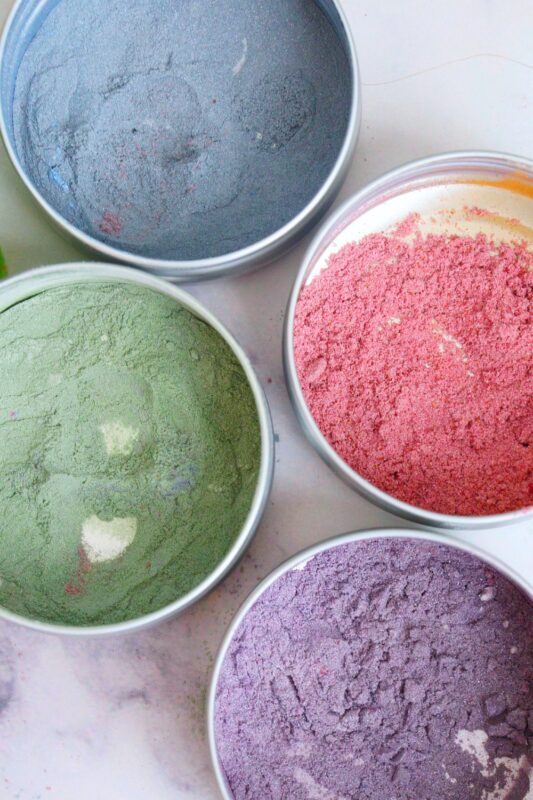










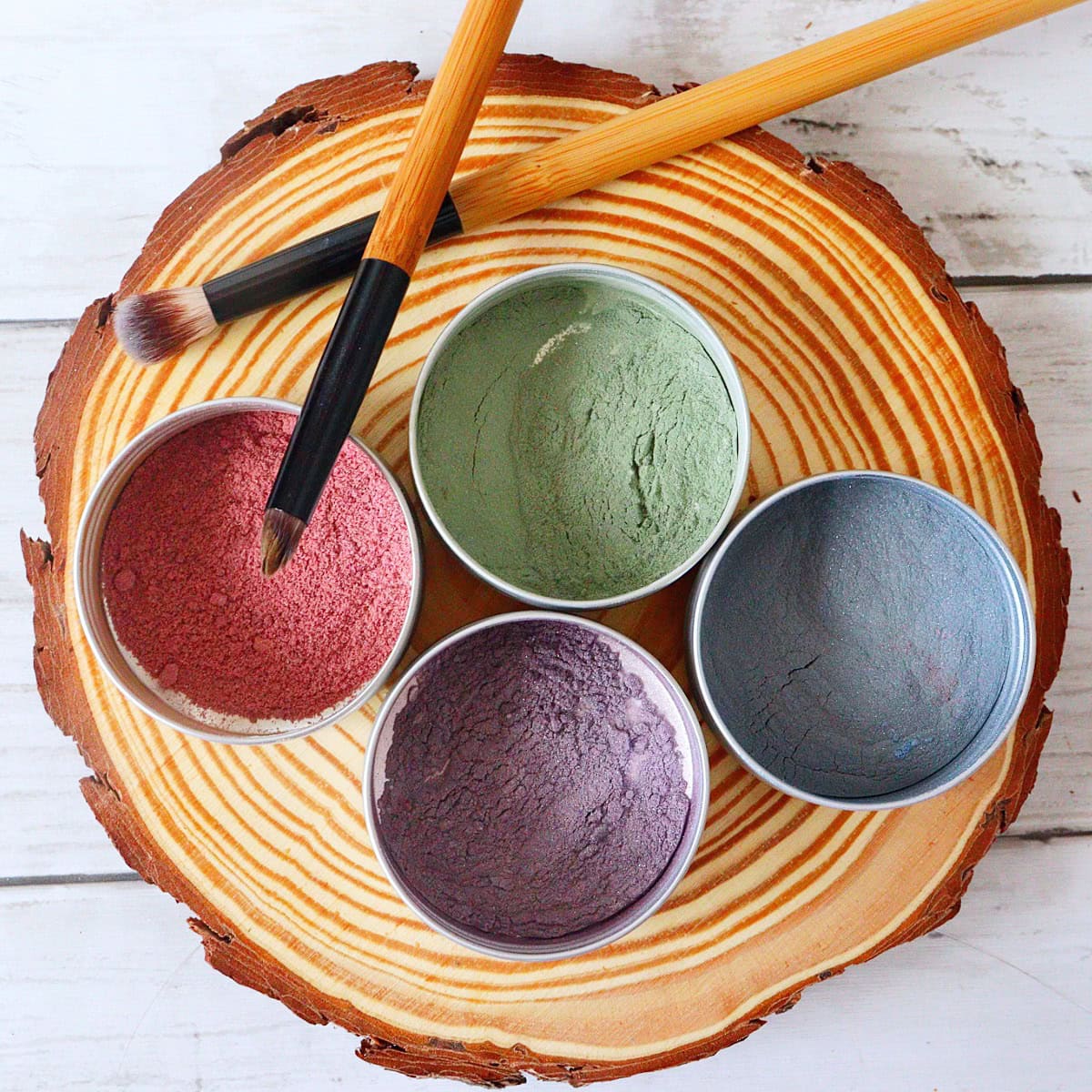
Eyeshadow powder is a creative beauty essential, adding depth, dimension, and an almost limitless color array to your makeup palette. But while many store-bought options are super vibrant, they contain synthetic dyes, preservatives, and irritants that are just not good for the delicate skin around your eyes.
Which is why we’re all about homemade eye makeup.
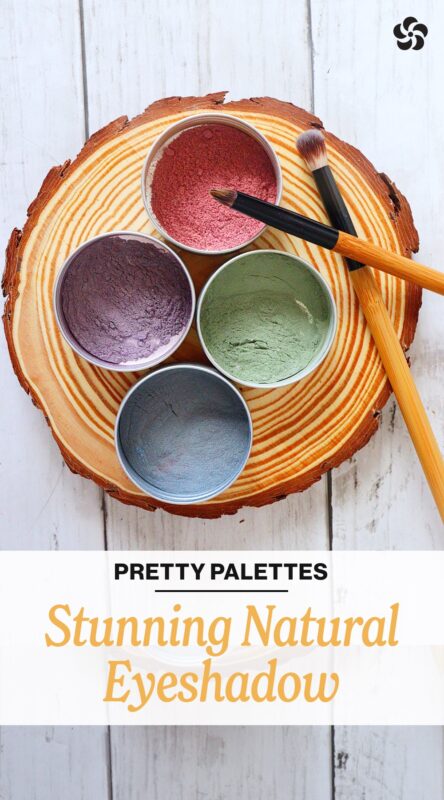
Because DIY eyeshadow powder (like homemade eyeliner) lets you skip the harsh additives and high price tags while customizing shades and formulas to suit your preferred aesthetic. And our tried and tested recipe below uses a select mix of natural ingredients like mica powder, cocoa powder, and arrowroot powder, so you can create a silky, blendable and pressed eyeshadow that’s safe, affordable, and completely your own.
So with that in mind, lets’ breakdown how you can make you own right now!
Index: Homemade Eyeshadow Powder
- DIY Eyeshadow Powder Recipe Jump to section
- Cost Savings of Making Your Own Eyeshadow Powder Jump to section
- Why Make Your Own Eyeshadow Powder? Jump to section
DIY Eyeshadow Powder Recipe
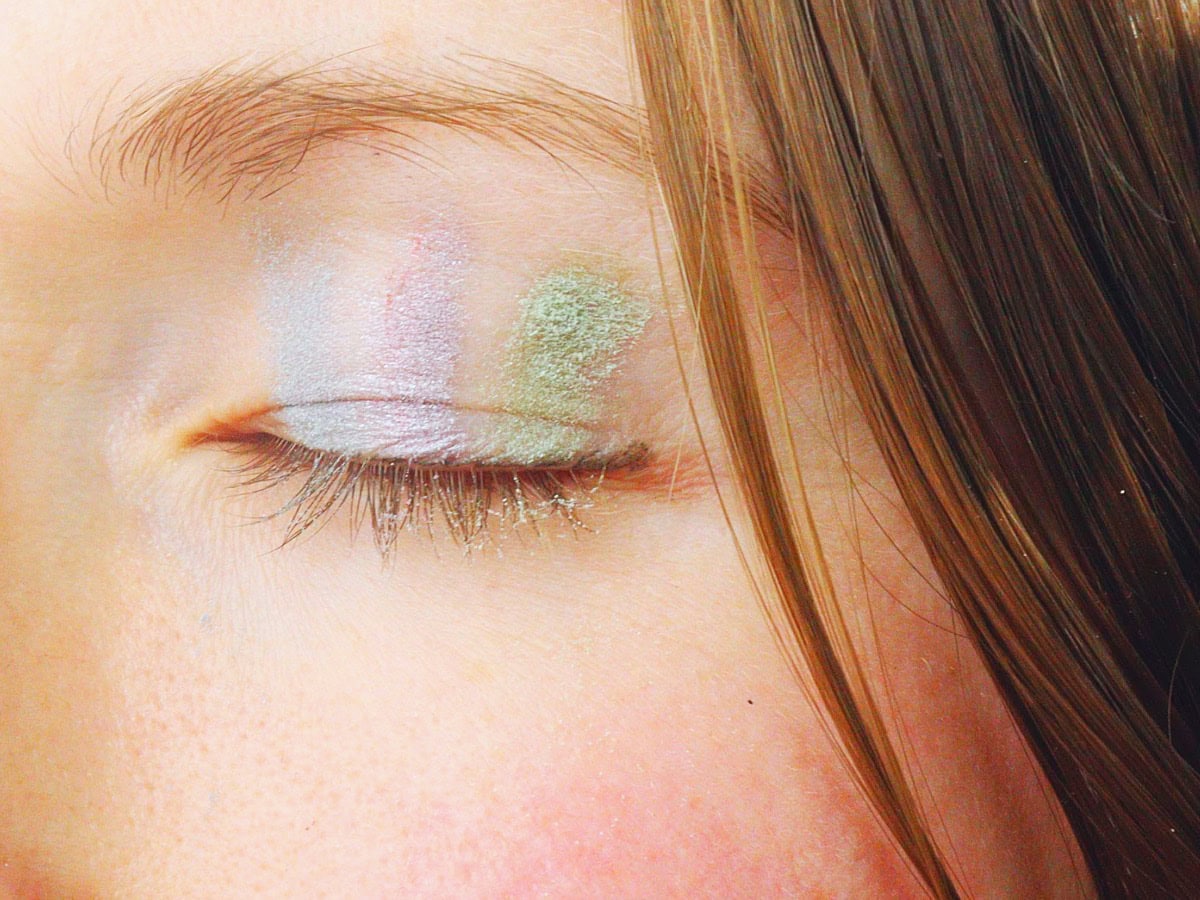
This DIY mineral eyeshadow powder harnesses natural powders to create beautifully pigmented, easy-to-blend shades without synthetic additives. While some DIY eyeshadow recipes suggest adding essential oils for fragrance, we don’t recommend it—fragrance ingredients, including essential oils, can be harsh on the delicate eye area and may lead to irritation.
For a gentle, skin-safe formula, it’s best to keep DIY eye makeup unscented.
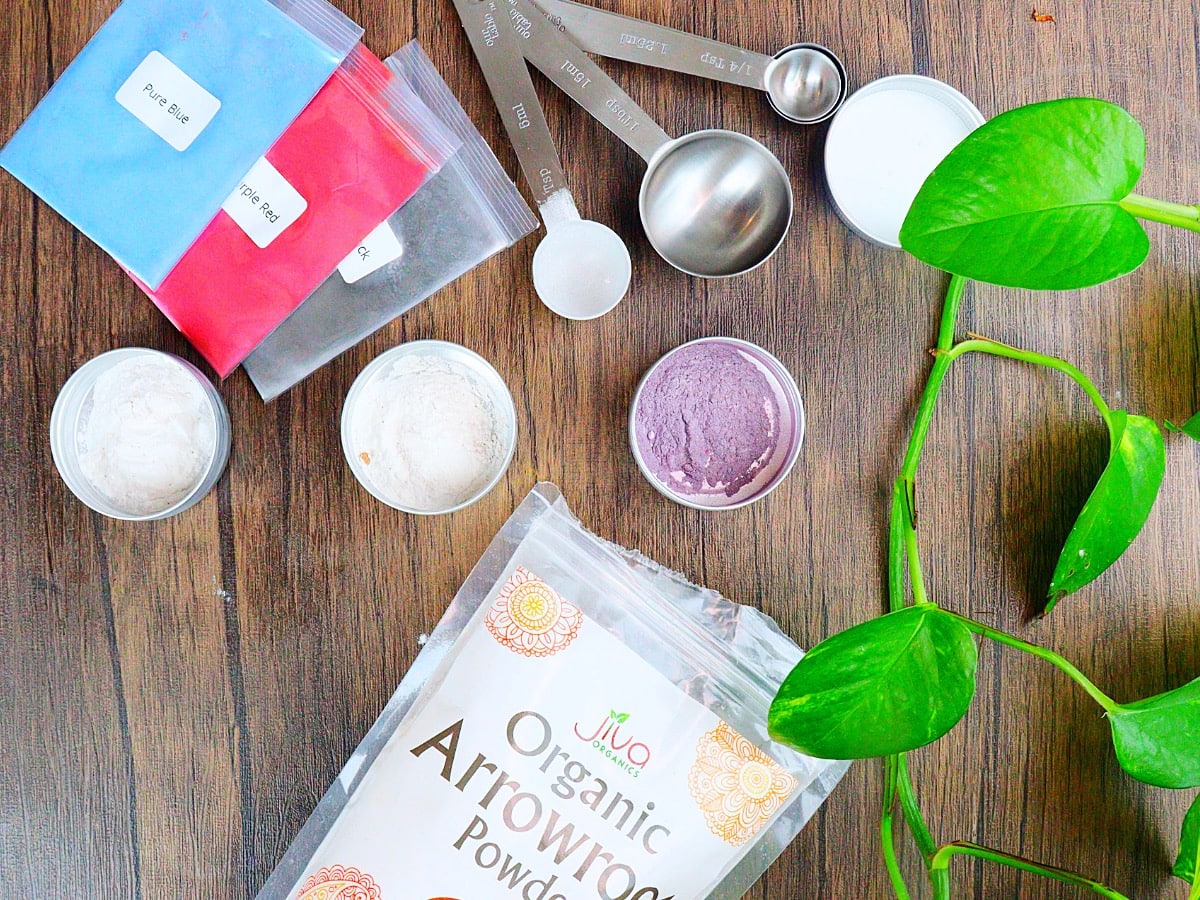
Ingredients:
- Arrowroot Powder (1 tsp): Arrowroot powder helps to give the eyeshadow a smooth, silky texture while also absorbing oil to keep the eyeshadow smudge and crease-free for longer.
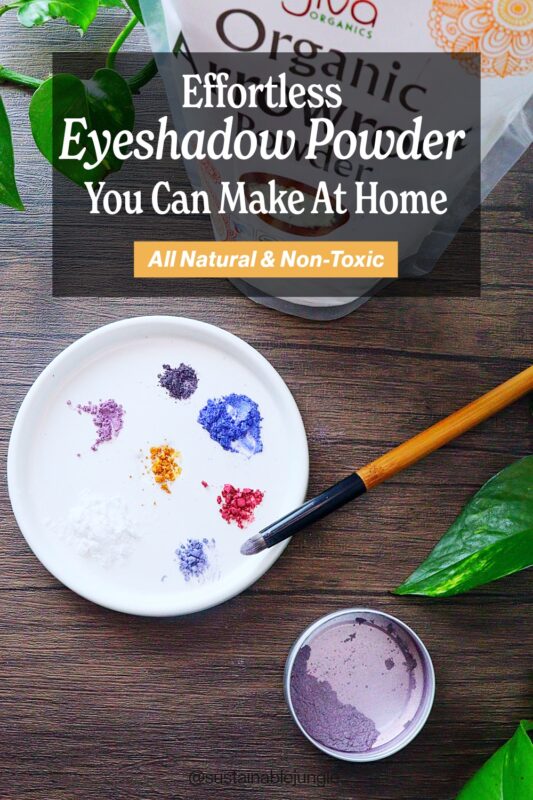
- Mica Powder (1 tsp, optional): Mica adds a shimmer and tiny. Use colored mica powders for a colored eyeshadow and neutral white or gold if you just want a metallic effect.
- Cocoa Powder (1/4 tsp, optional): If you’re looking to make neutral colors, use cocoa powder in place of mica powder.
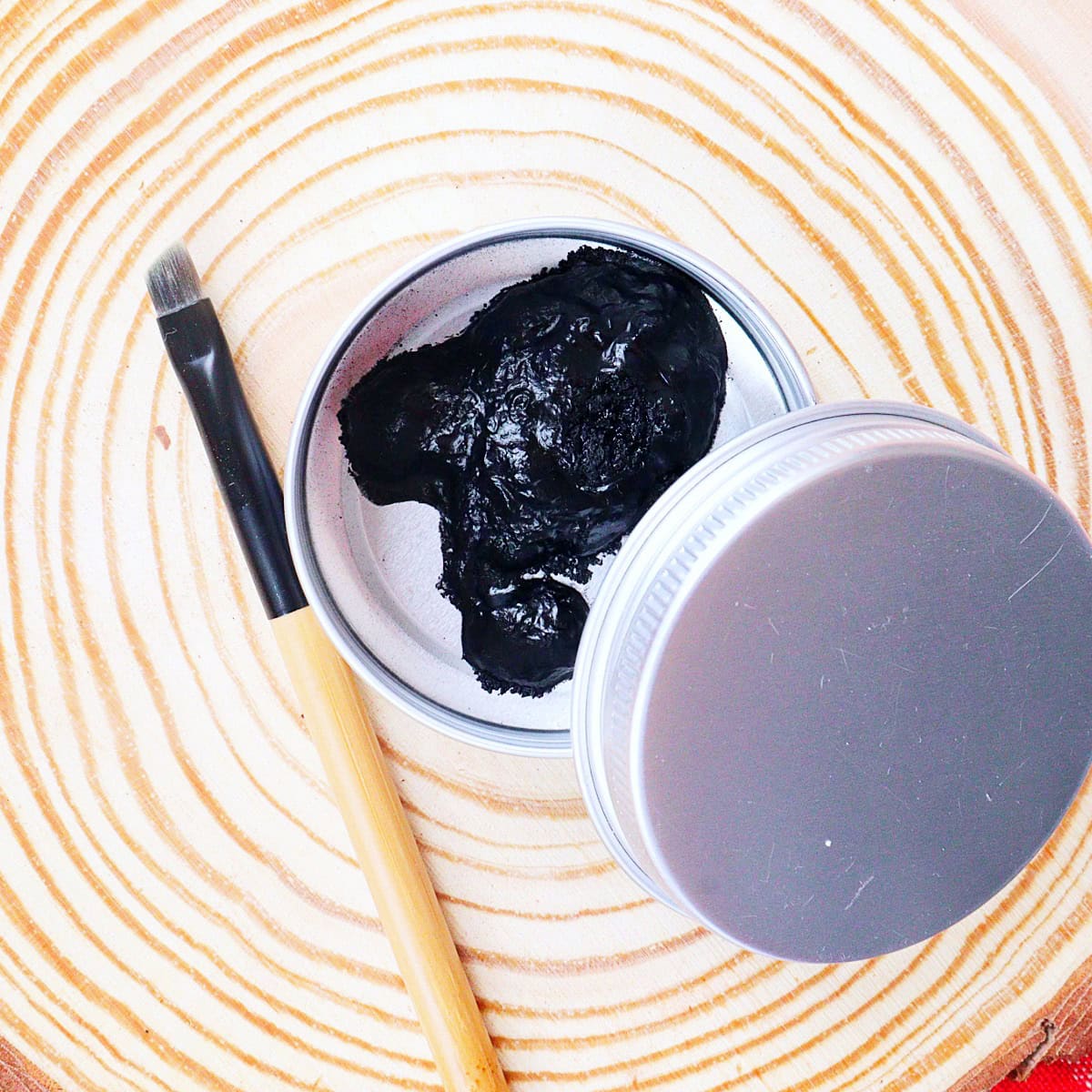
- Activated Charcoal (1/2 tsp, optional): If you want a darker, smoky look, activated charcoal can be combined with either mica powder or cocoa powder to darken the shade.
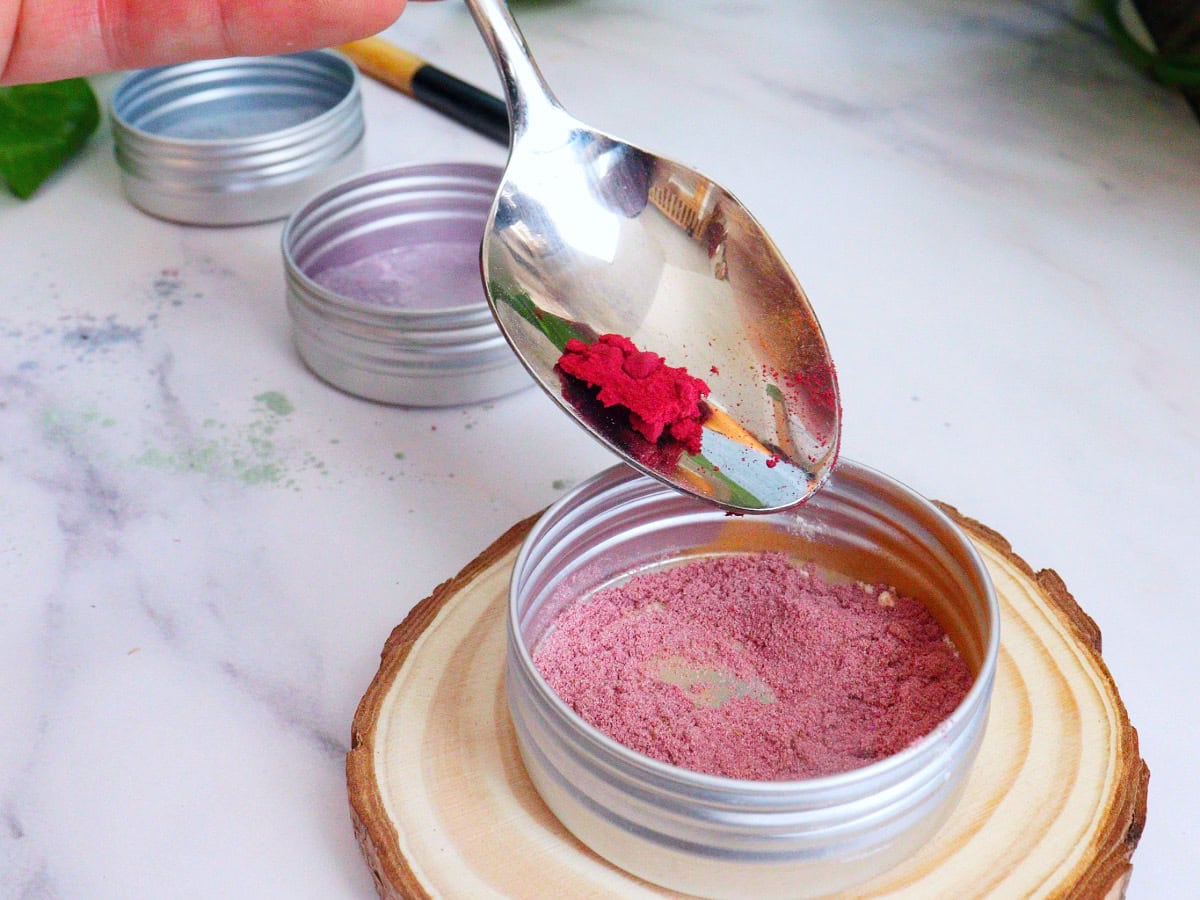
Instructions:
- In a small bowl or directly in your container, combine your base color, whether this be with mica, cocoa powder, activated charcoal, or all three depending on your desired color effect. You can test the color on a patch of skin on the back of your hand to see what effect it will have on the skin.
- Add arrowroot powder to the mix to create a smoother consistency and help the powder adhere better to your eyelids. Adding more arrowroot and less mica will yield a more matte effect.
- Stir the mixture until the pigments are fully blended.
- Test again on your hand and perform any final tint tweaks.
- Store the mixture in a small container with a tight lid, and apply with an eyeshadow brush for even coverage. Because this is a powder only recipe, you can also mix the powders directly in the container and shake to mix.
Cost Savings of Making Your Own Eyeshadow Powder
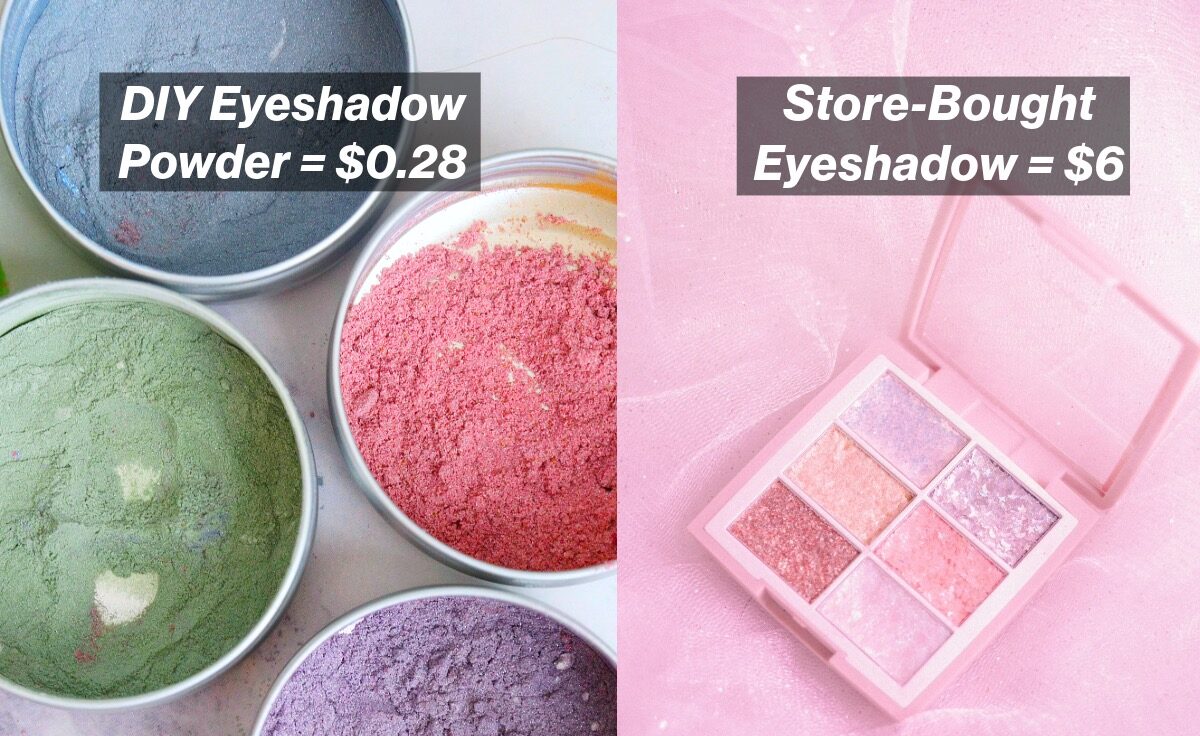
On average, drugstore eyeshadow can range from $5 to $15, while premium brands can easily exceed $20 each. If you’re using several shades or a large palette, the costs can climb to over $50 in no time.
But if you’re making your own (say DIY cream eyeshadow or DIY highlighter powder, for example), you can save a lot of money. Let’s break down the math for this specific makeup recipe and its ingredients.
DIY Eyeshadow Powder
- Mica Powder: $13 for a 30 oz bag (~$0.08 for 1 tsp)
- Arrowroot Powder: $6 for an 8 oz bag (~$0.12 for 1 tsp)
- Activated Charcoal: $10 for a 1 lbs bag (~$0.05 for 1/2 tsp)
- Cocoa Powder: $6 for an 8 oz container (~$0.03 for ¼ tsp)
Cost per batch: ~$0.28
Store-Bought Equivalent: ~$6+ for 0.1 oz loose powder (e.g., L.A. Colors or similar options)
Savings per Batch: $5.72
Why Make Your Own Eyeshadow Powder?
Many commercial eyeshadow powders (much like conventional makeup in general) contain ingredients that can irritate sensitive eyes or pose long-term health risks.
For example, parabens, commonly used as preservatives, have been linked to hormonal disruptions. Phthalates, often found in synthetic fragrances, are known to interfere with endocrine function. Talc, a common filler in eyeshadows, may be contaminated with asbestos, a known carcinogen.
Since creating your own DIY makeup (like homemade mascara) is super easy, helps you avoid harmful substances, and lets you customize shades to your preference, we’re all for it—as you can see!

Amber obtained Bachelor of Arts degrees in English, Creative Writing, and Psychology from The University of Oxford and Arcadia University. She is an avid crafter, gardener, quail farmer, wannabe novelist, and self-proclaimed eco adventurer. From living in a camper van to living in a tiny house, she is enamored by the small and self-sufficient; and aspires to one day become an off-grid micro-farmer, bridging sustainability with non-toxic living and eating. With a passion for outdoor sports like rock climbing, skiing, and travel, having already backpacked across 30 countries, she is always up for the next big adventure while seeking ways to minimize her impact along the way.