Why consider alternatives to Ziploc bags?
Ziploc bags are a soft plastic and essentially not recyclable in most recycling facilities, which means at the end of their life, they typically head straight for landfill.
While marketed as BPA-free, Ziplocs are made from plastic so it’s not certain if other hormone-disrupting chemicals are still present.
In short: Ziploc bags are a single-use, non-renewable plastic product—making them far from an eco-friendly or a healthy choice for food storage.
But what should be used instead of plastic bags?
Luckily, whether it’s for a sandwich, frozen meal prep, soup, your kid’s lunch, or leftovers, there are alternative food storage containers for all your needs.
Ranging from metal and glass containers to beeswax wraps and silicone reusable bags, we’ve got you and your food covered.
Want to know more about the brands you buy from? We’ve got you with our new Brand Rating System that assesses brands against 22 different criteria, from climate action to product performance. Read more here and keep an eye out for any rated brands on the list below.
Now that we’re on the same page, let’s dig in (or watch our video on the topic of better food storage containers below).
We independently research all featured brands and we ask them to confirm their claims. In many cases we personally review recommended products. This post contains affiliate links which means we may earn a commission if you buy something. Learn more here.
Index: Ziploc Alternatives
- Stasher Jump to brand
- Bee’s Wrap Jump to brand
- Ziptuck Kids Jump to brand
- U Konserve Jump to brand
- ECOlunchbox Jump to brand
- Glasslock Jump to brand
- BioBag Jump to brand
- Lunchskins Jump to brand
- Khala Jump to brand
Stasher
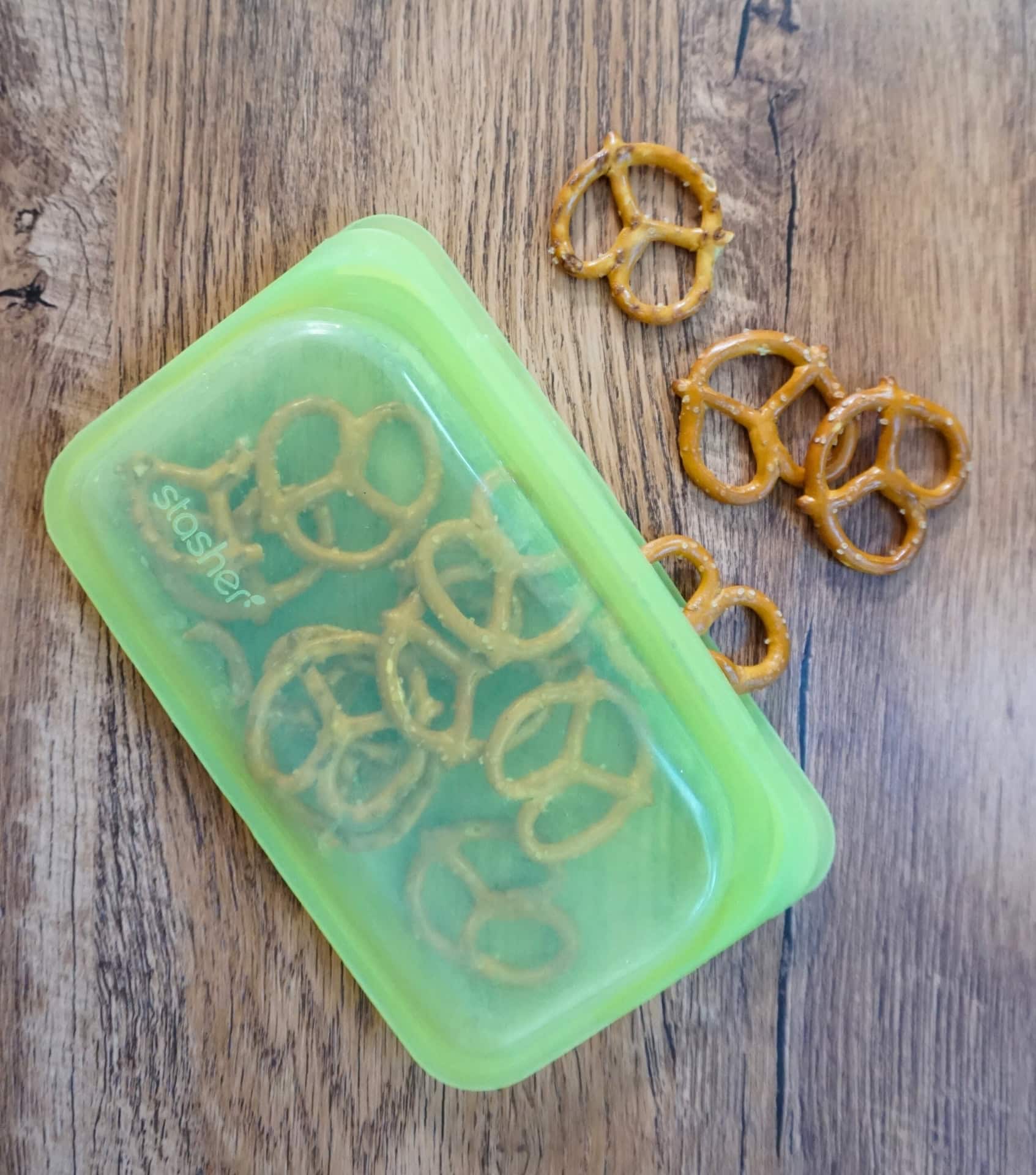
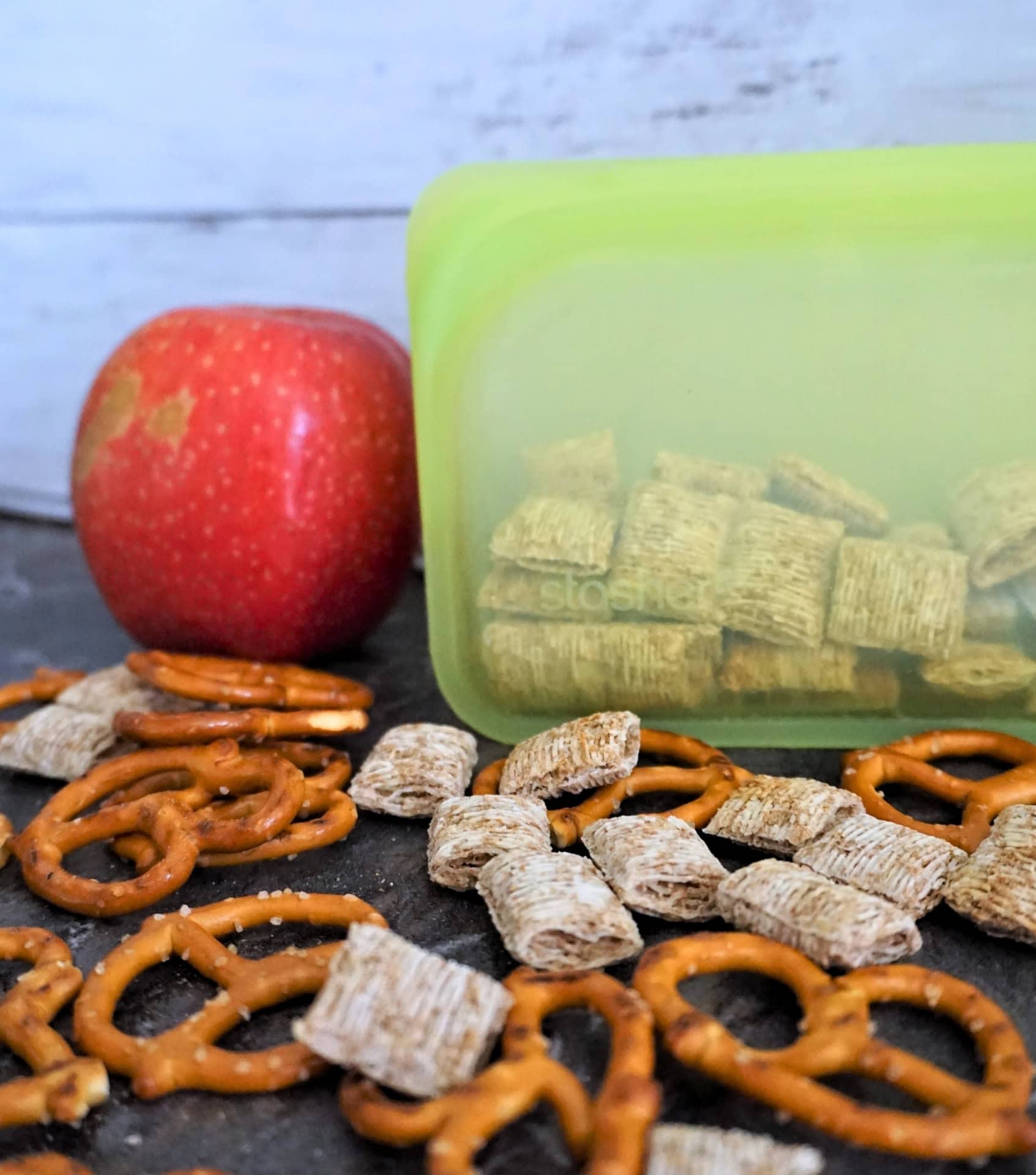
About Stasher’s Silicone Reusable Bags
Stasher is the OG silicone reusable (Ziploc-style) bag creator, and offers more than twenty different bags and food storage items that are safe for the freezer, microwave, dishwasher, and oven.
Since these silicone bags are made with 100% pure platinum-grade silicone (higher than food-grade), they’re free of BPA, BPS, lead, phthalates, latex, or any other kind of toxins we’d rather not have absorbed into our food.
About Stasher
Stasher uses an SA8000-certified factory for their reusable silicone bags manufacturing.
Because silicone isn’t biodegradable, they partner with TerraCycle to responsibly recycle unwanted or damaged silicone bags for free.
The brand also gives 1% to environmental initiatives globally.
Bee’s Wrap
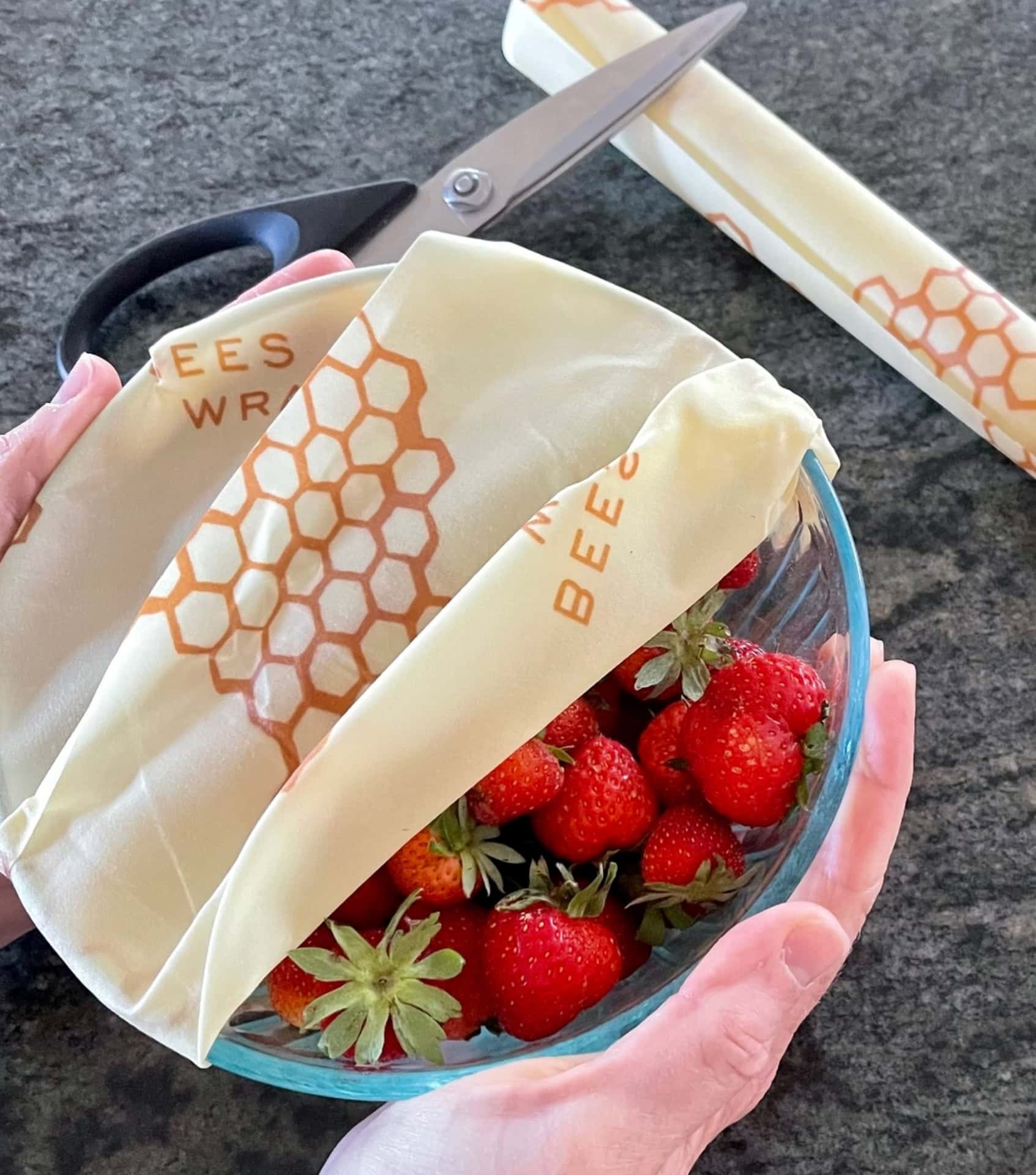
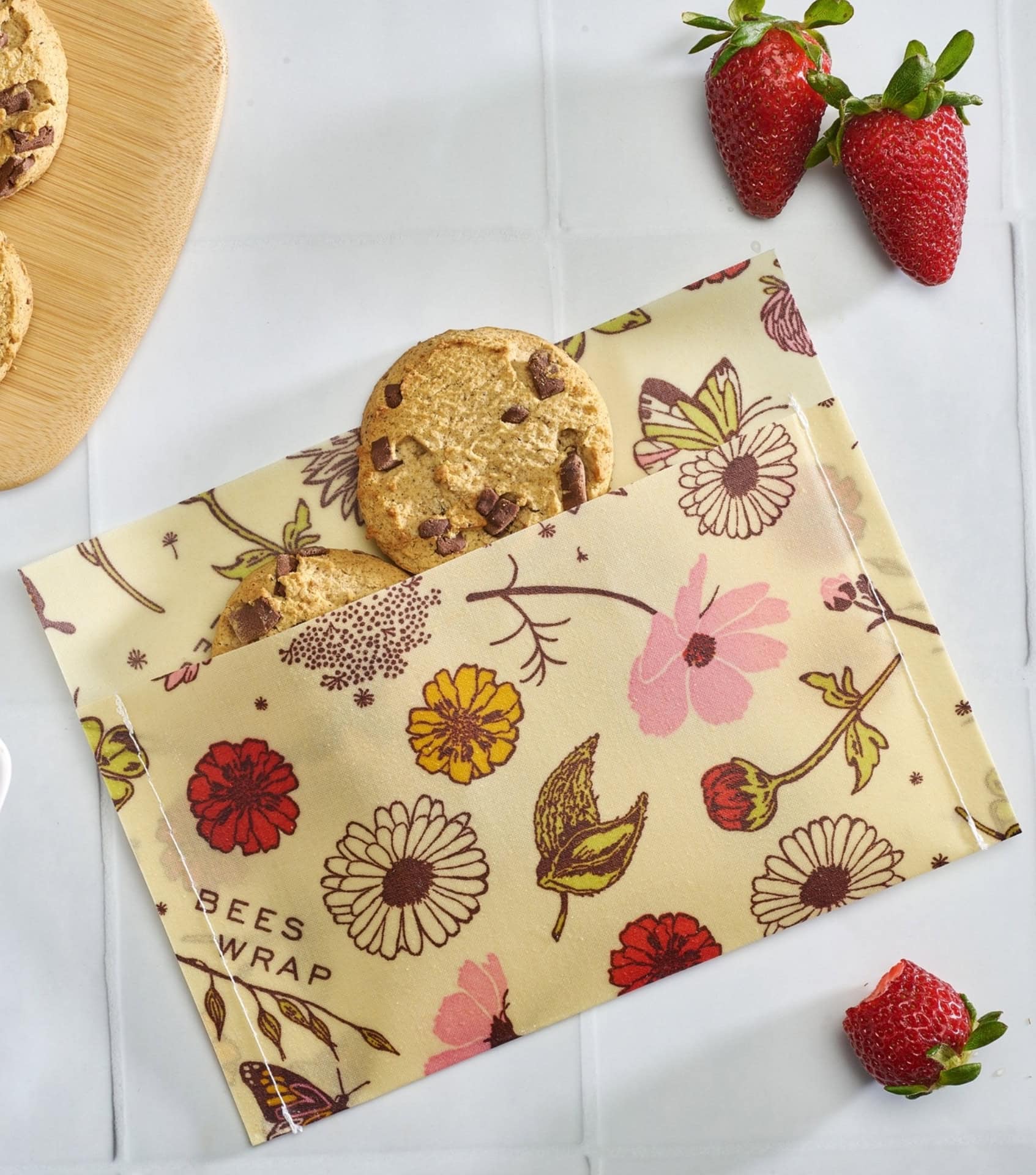
About Bee’s Wrap’s Bags
Plastic wrap, bee gone!
“Bee” the change you wish to see in the world with Bee’s Wrap.
With simply the warmth of your hands, these handy reusable wraps will mold to most food items without any need for wasteful tin foil or plastic.
Their wraps are made of GOTS-certified organic cotton coated with antibacterial beeswax, tree resin, and jojoba oil to store food fresh.
About Bee’s Wrap
Vermont-based Bee’s Wrap is a Certified B Corp, along with Green America, and 1% For the Planet.
With proper care and cleaning, beeswax wraps will last a long time, but when they do wear out, they can be used as fire kindling or can be composted.
Ziptuck Kids
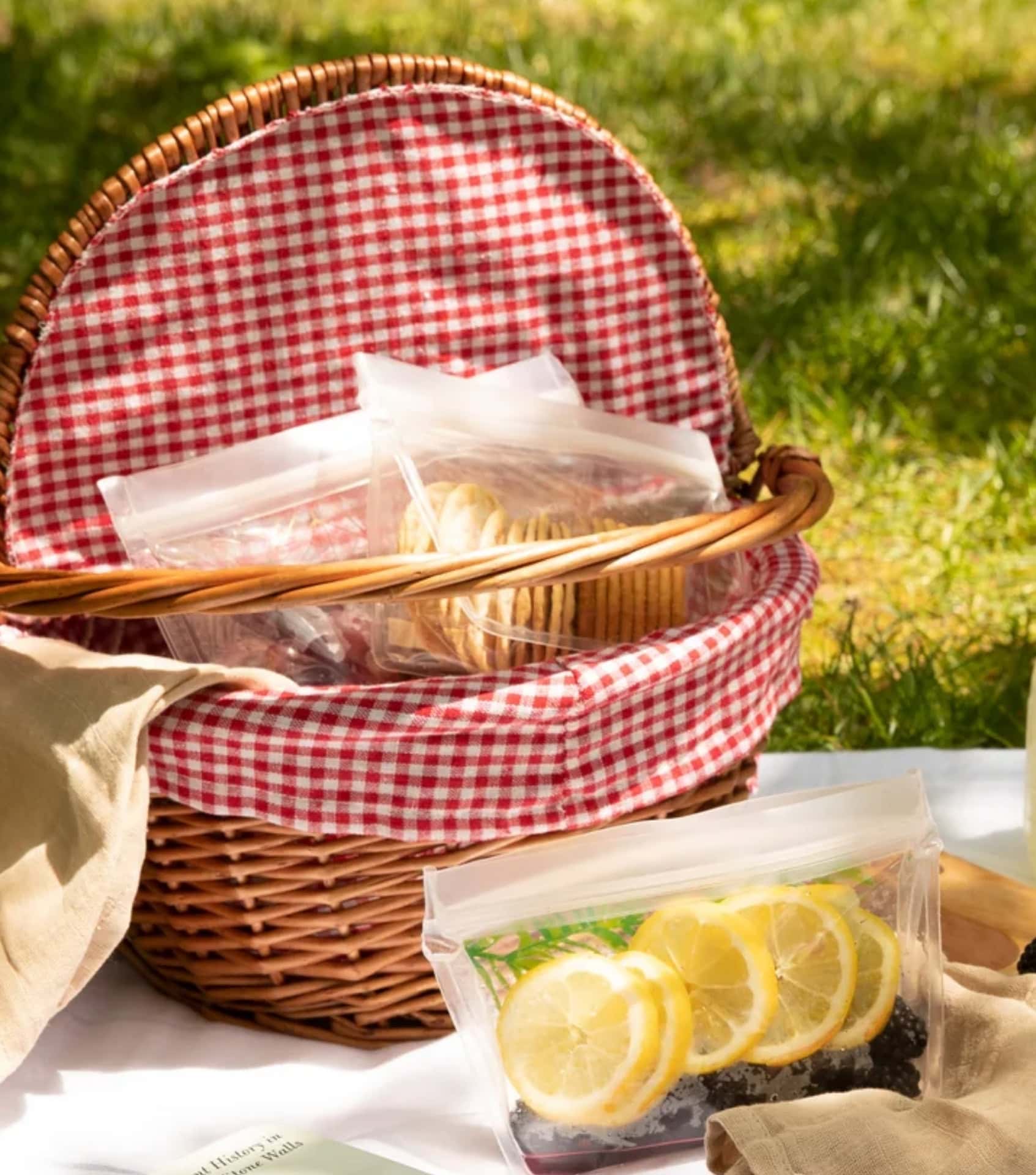
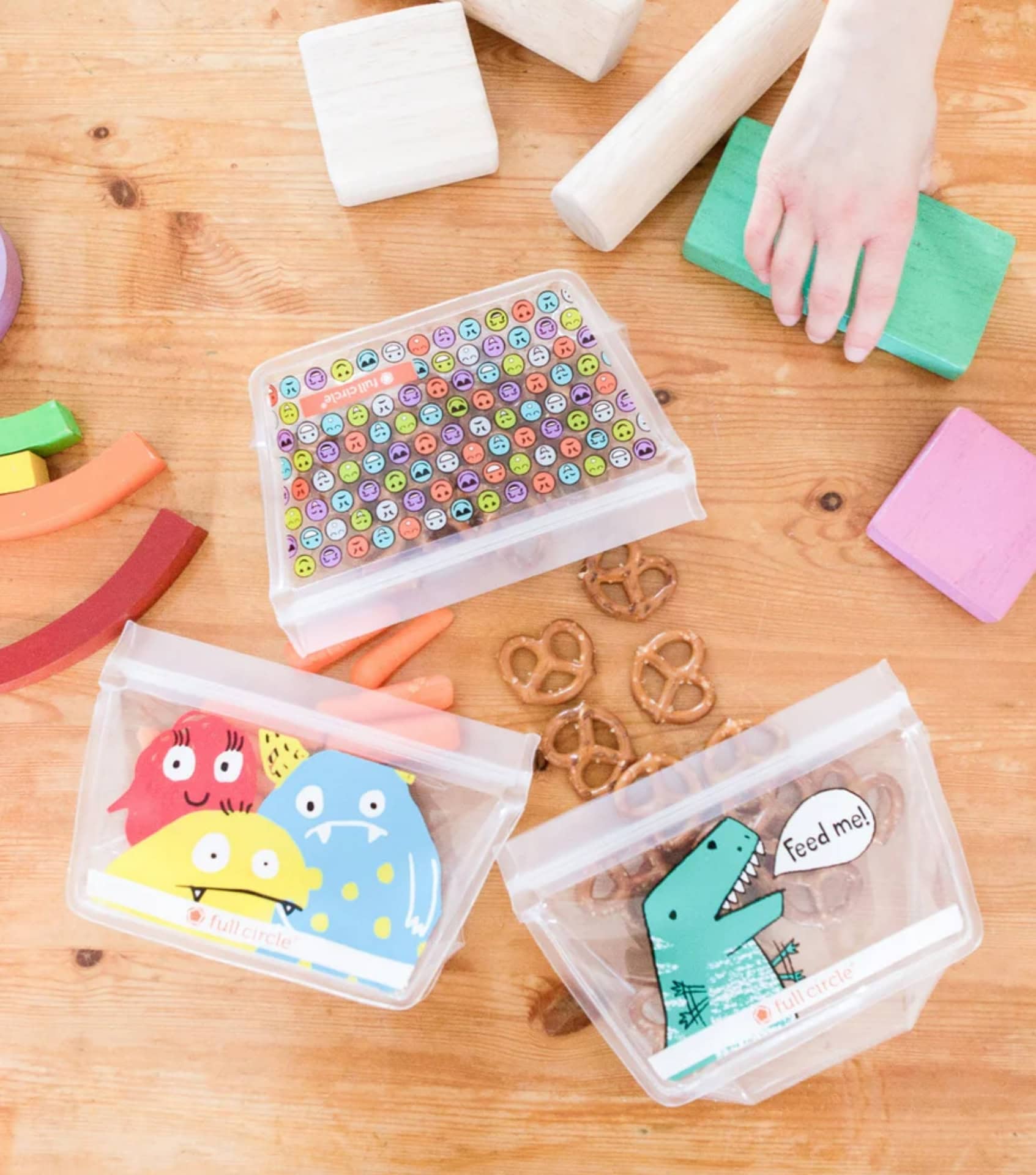
About Ziptuck Kids’ Ziploc-like Bags
Ziptuck Kids’ reusable snack bags are made of FDA-grade EVA material from recycled plastic.
With playful designs perfect for kids lunches (or for spicing up a boring office lunch) these are some of the best alternatives to Ziploc bags.
They offer a lunch set, reusable snack bags, and sandwich bags. All Ziptuck reusable bags are easily hand-washable with soapy water.
About Ziptuck Kids
Ziptuck is made by Full Circle Home, who are a fully “plastic neutral” company, meaning they have a plastic bank for collecting and transforming every ounce of plastic waste they use.
As members of Global Neutral Standard, any plastic they purchase is audited and certified.
They also provide carbon-neutral shipping.
U Konserve
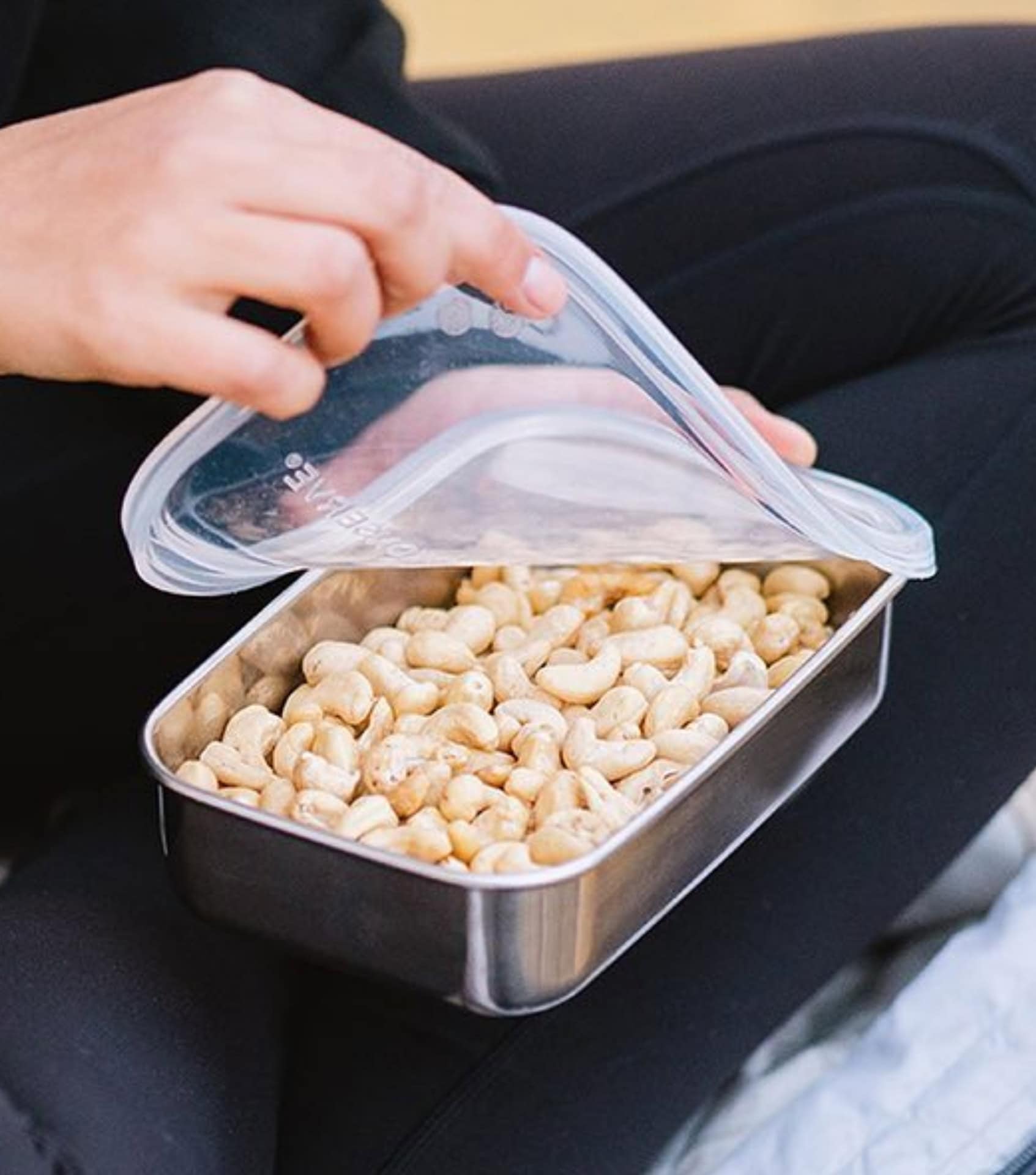
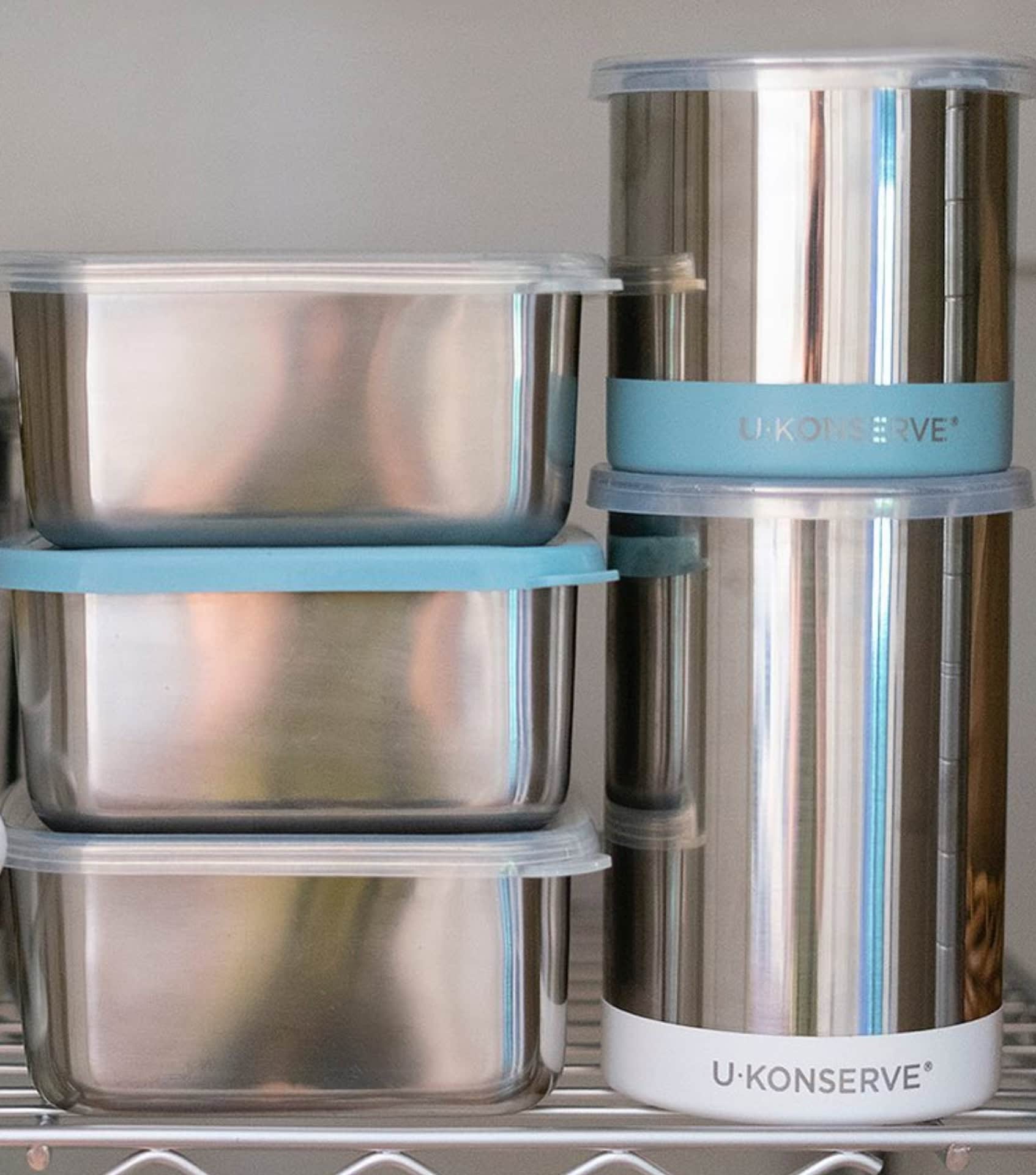
About U-Konserve’s Reusable Containers
We don’t need to “steel” any more of our waterways with single-use plastic pollution, so an investment in U-Konserve’ss high quality stainless steel reusable containers with a silicone lid is well worth it.
All products are non-toxic and tested by CPSIA-accredited independent labs to ensure they are free of lead, BPAs, and phthalates.
About U-Konserve
For fifteen years, family owned and operated U-Konserve has provided reusable, waste-free lunch kit items for a low-impact lifestyle.
The brand is a member of 1% For the Planet.
ECOlunchbox
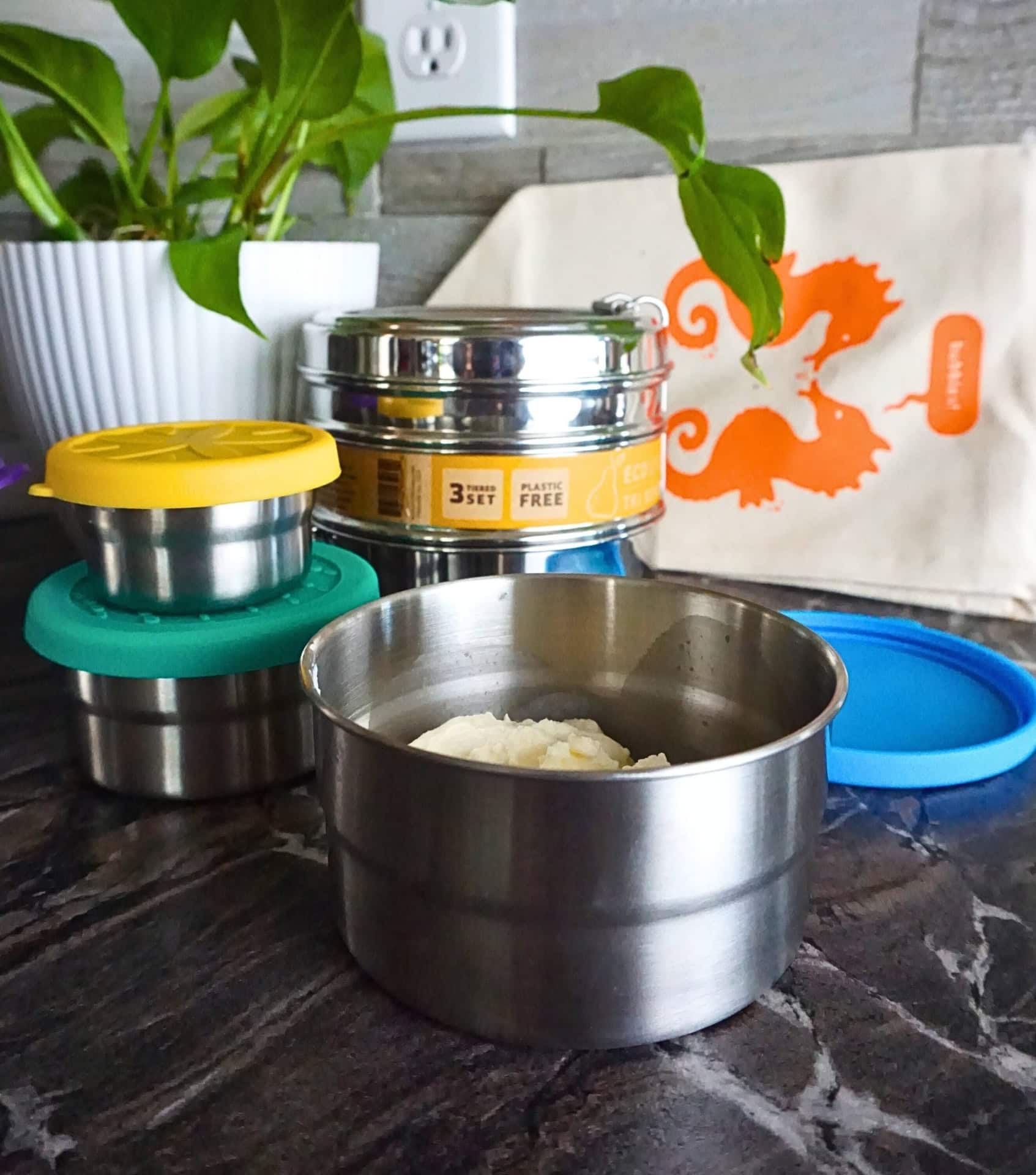
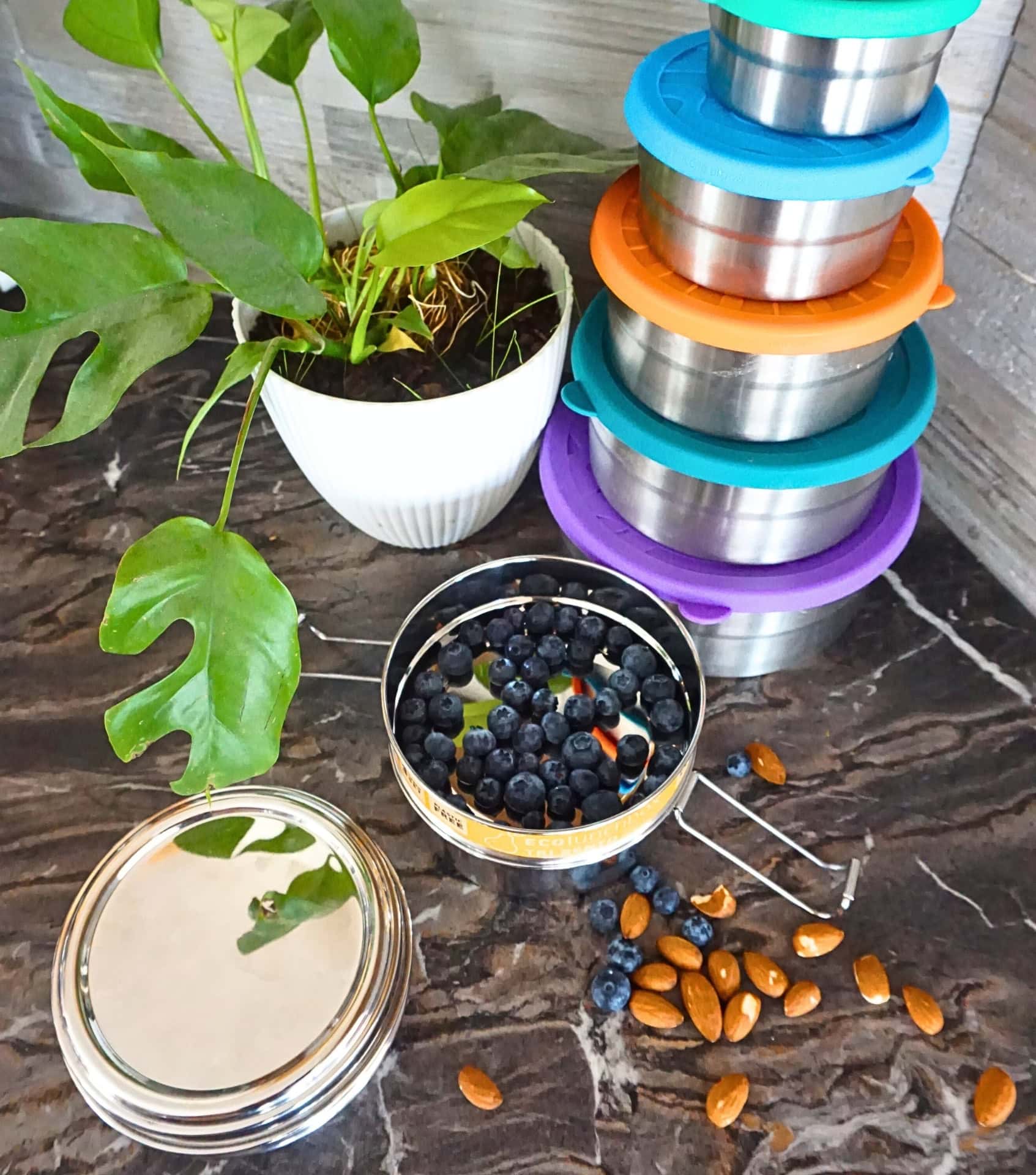
About ECOlunchbox’s Ziploc Alternatives
ECOlunchbox has more than ten unique stainless steel containers and bento boxes for all your food storage needs.
Some feature a stainless steel lid, while others have a food grade silicone lid.
Our favorites include the Tri Bento Tiffin and Wet Bento Box for soups and other liquid lunches.
About ECOlunchbox
All products by Certified B Corp ECOlunchbox are plastic-free and shipped in recyclable materials.
Additionally, the female owned and run business offsets yearly the CO2 equivalent to 4.7 million pounds of coal burned.
Glasslock
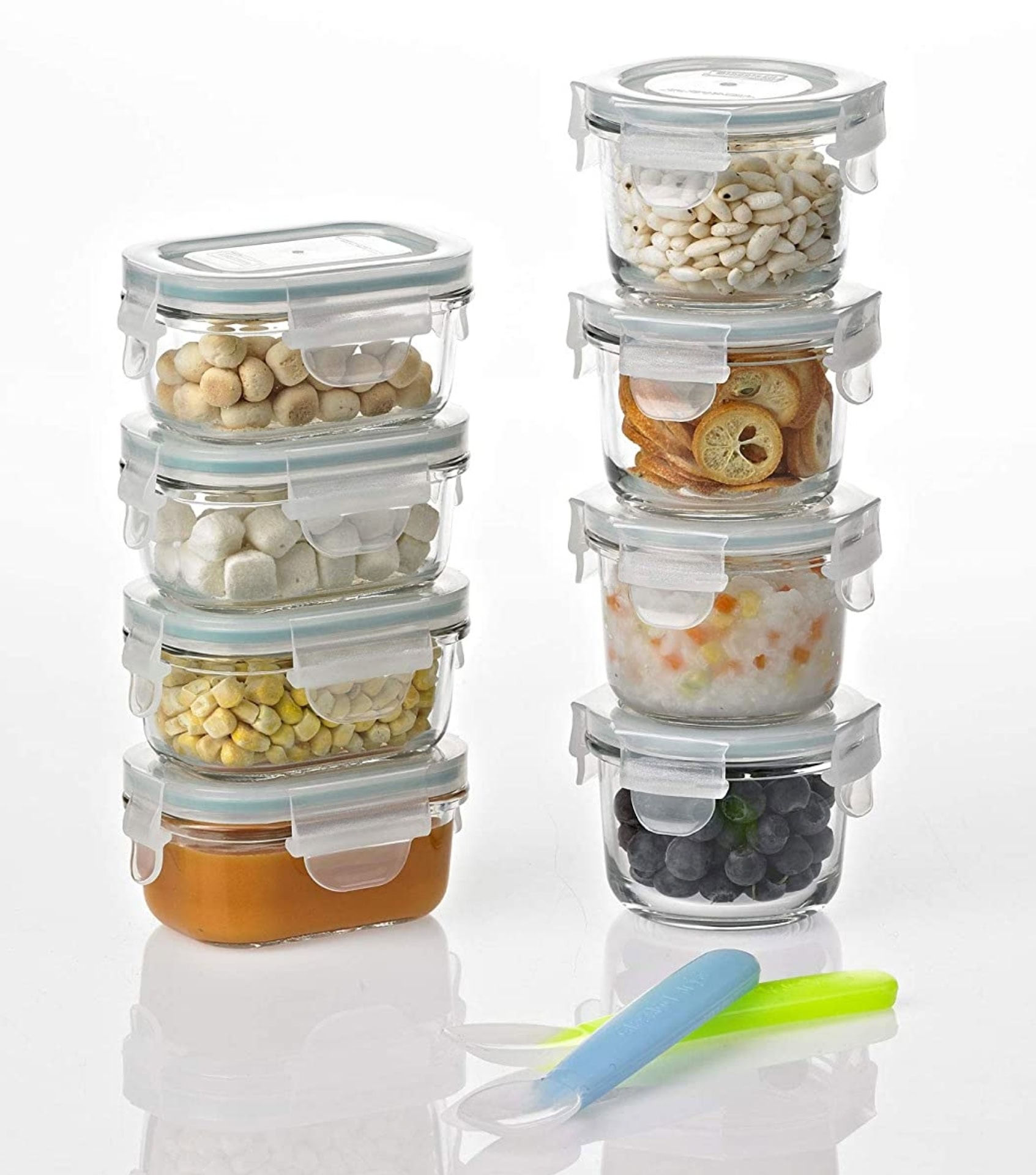
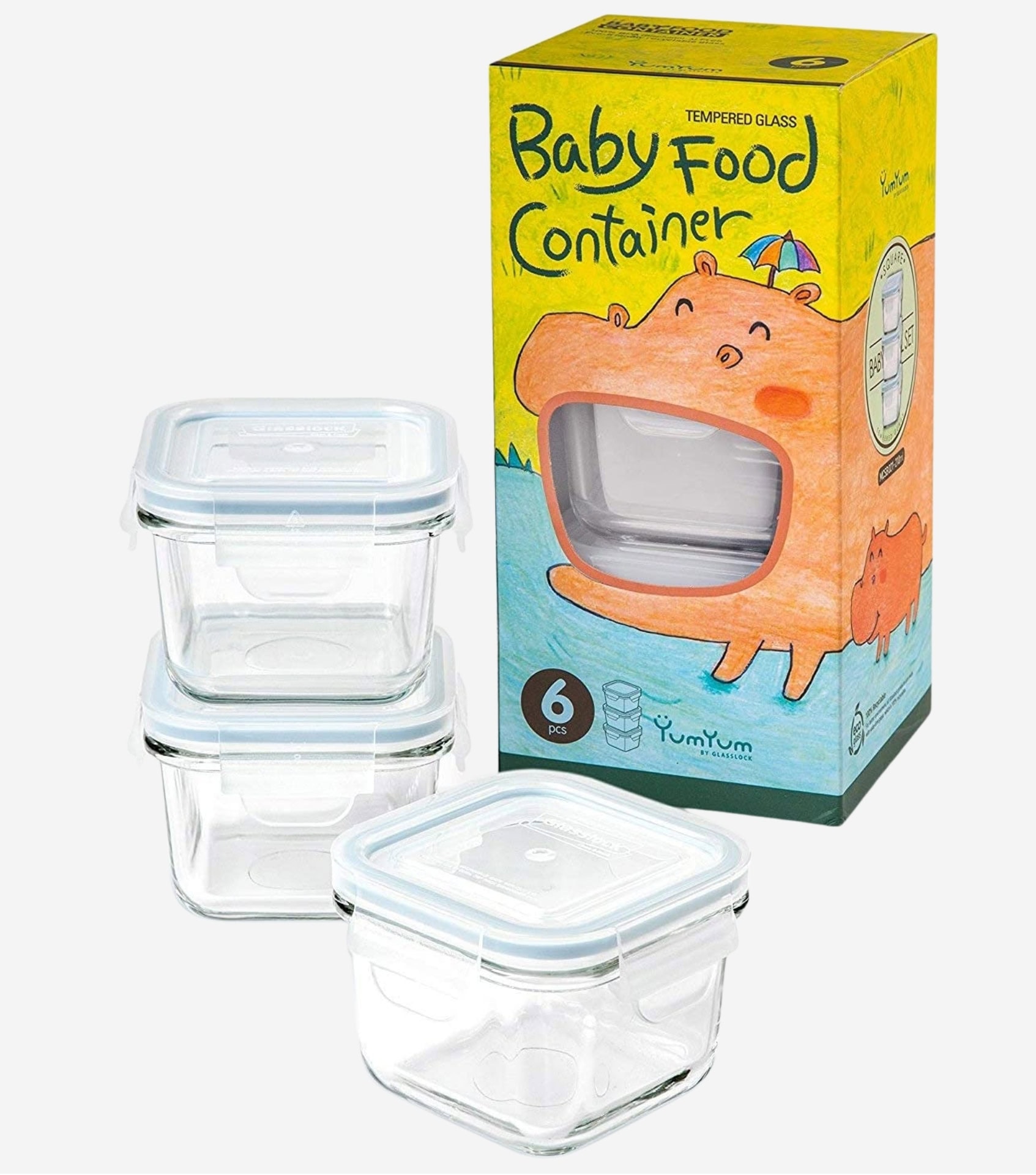
About Glasslock’s Glass Storage Containers
Wondering how to freeze meat without plastic?
Glass is your best bet.
When it comes to alternatives to Ziploc freezer bags, be sure to invest in Glasslock’s reusable glass containers, which are microwave safe, dishwasher safe, freezer safe, oven safe, non-toxic, and BPA-free.
Glass containers are made of durable tempered glass (from silica, soda ash, limestone, and other natural components) and the lids are made of high grade polypropylene.
About Glasslock
All Glasslock products are FDA-approved and one of the safest food storage containers around.
BioBag
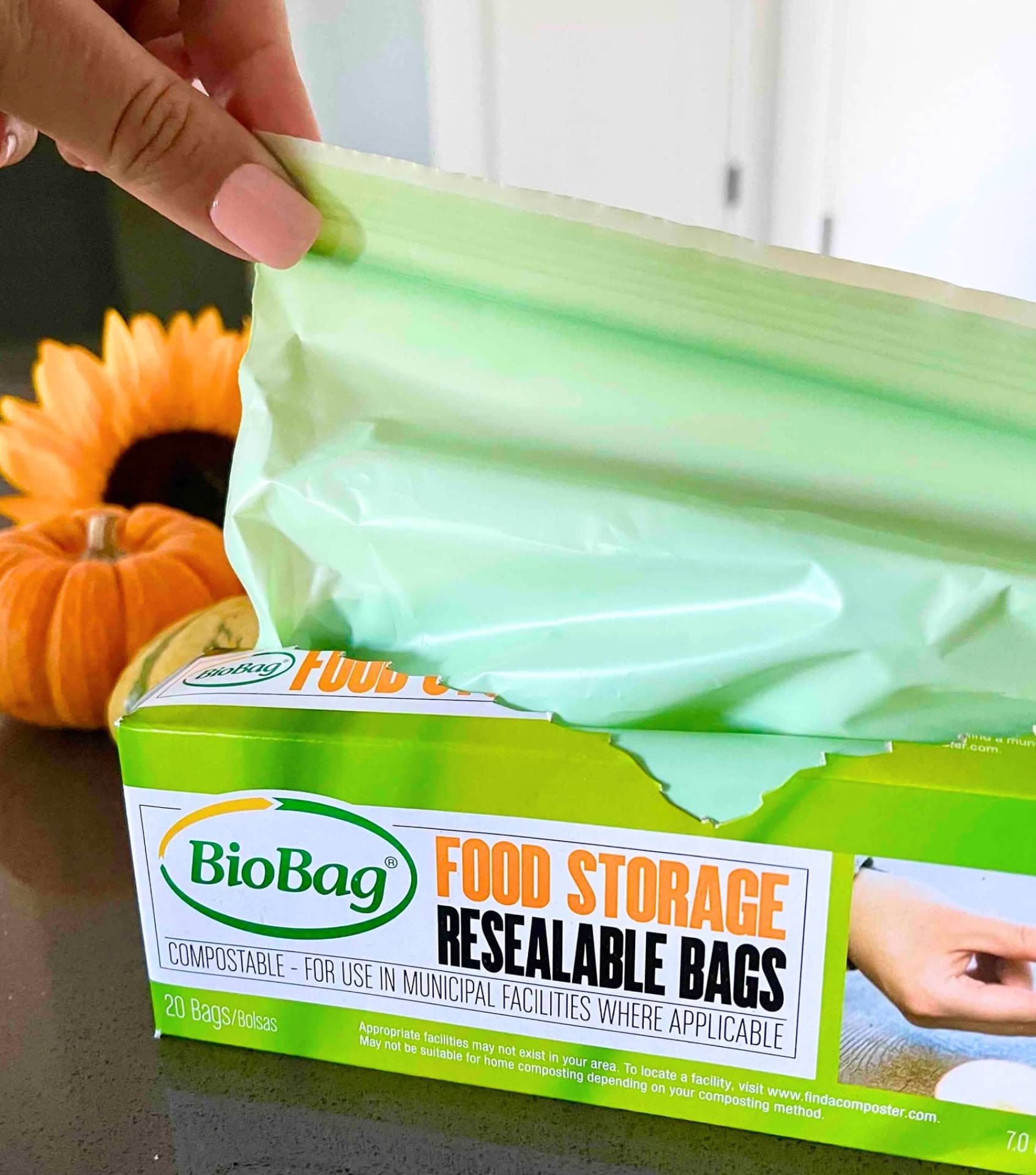
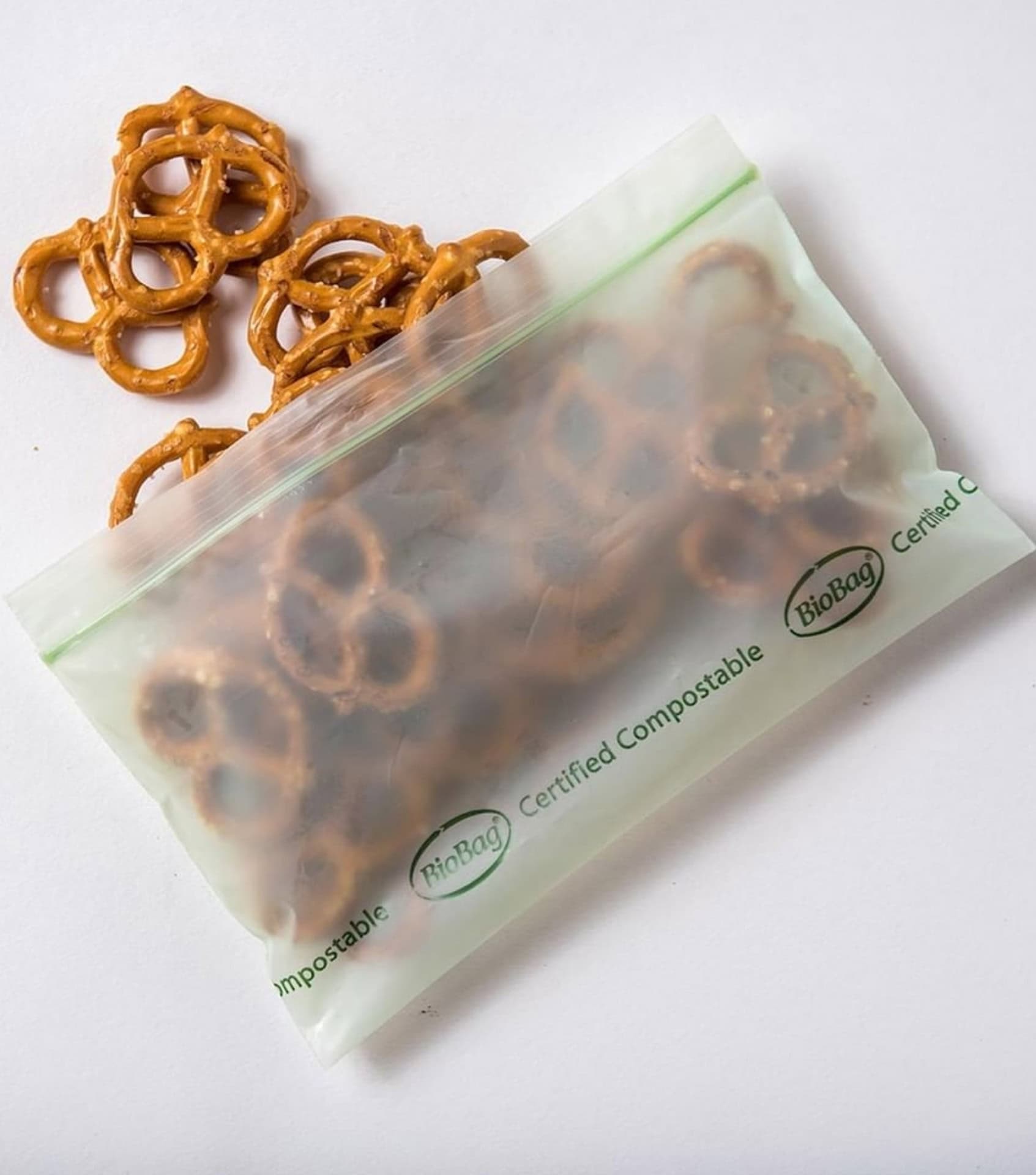
About BioBag’s Sustainable Alternative to Ziploc Bags
BioBag’s resealable and compostable sandwich bags are the closest alternative to your classic Ziploc.
These ASTM D6400 and BPI-certified commercially compostable sandwich bags are made from plant-based plastic using GMO-free crops.
The bags are created from an innovative bioplastic from the plant starch, vegetable oil, and compostable polymers.
About BioBag
For nearly twenty years, BioBag has been synonymous with certified bioplastic compostable bags made of the best quality.
They work with local community governments to educate people on the importance of keeping organics out of landfills and to help begin food waste composting programs.
In their words: “BioBag has one mission—to keep organic waste from ever entering a landfill.”
Lunchskins
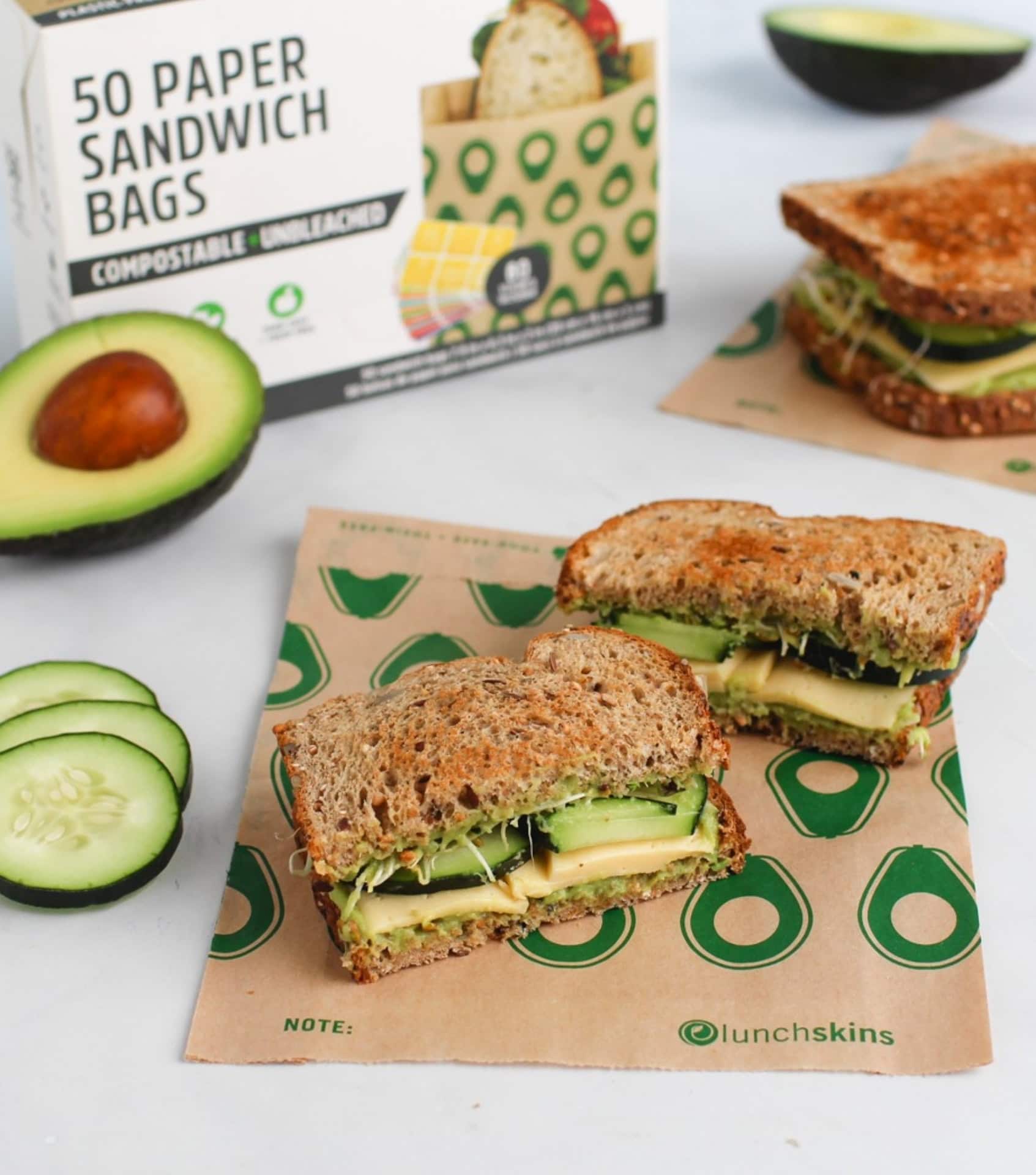
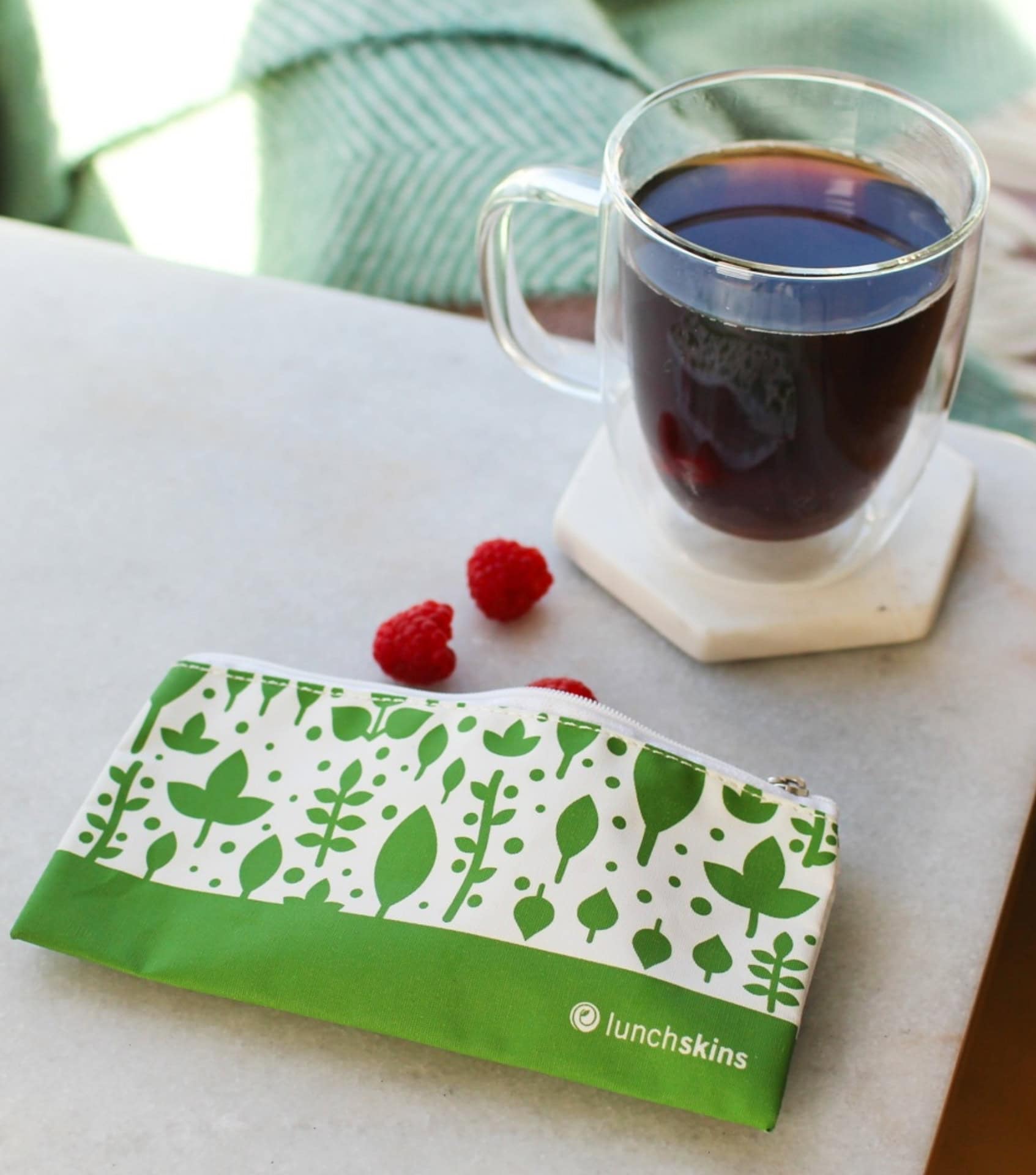
About Lunchskins’ Alternative to Ziploc Bags
Lunchskins offer convenient and inexpensive Ziploc alternatives.
Over three billion bags have been replaced by Lunchskins, who make recyclable and compostable sandwich bags, plus reusable sandwich bags with zippers or velcro.
The reusable food storage bags are dishwasher safe and the paper ones can be recycled if unsoiled with any greasy residue, or composted.
About Lunchskins
Lunchskins has a mission of giving. The female-owned and run company gives 1% from each order to protect the planet.
Khala
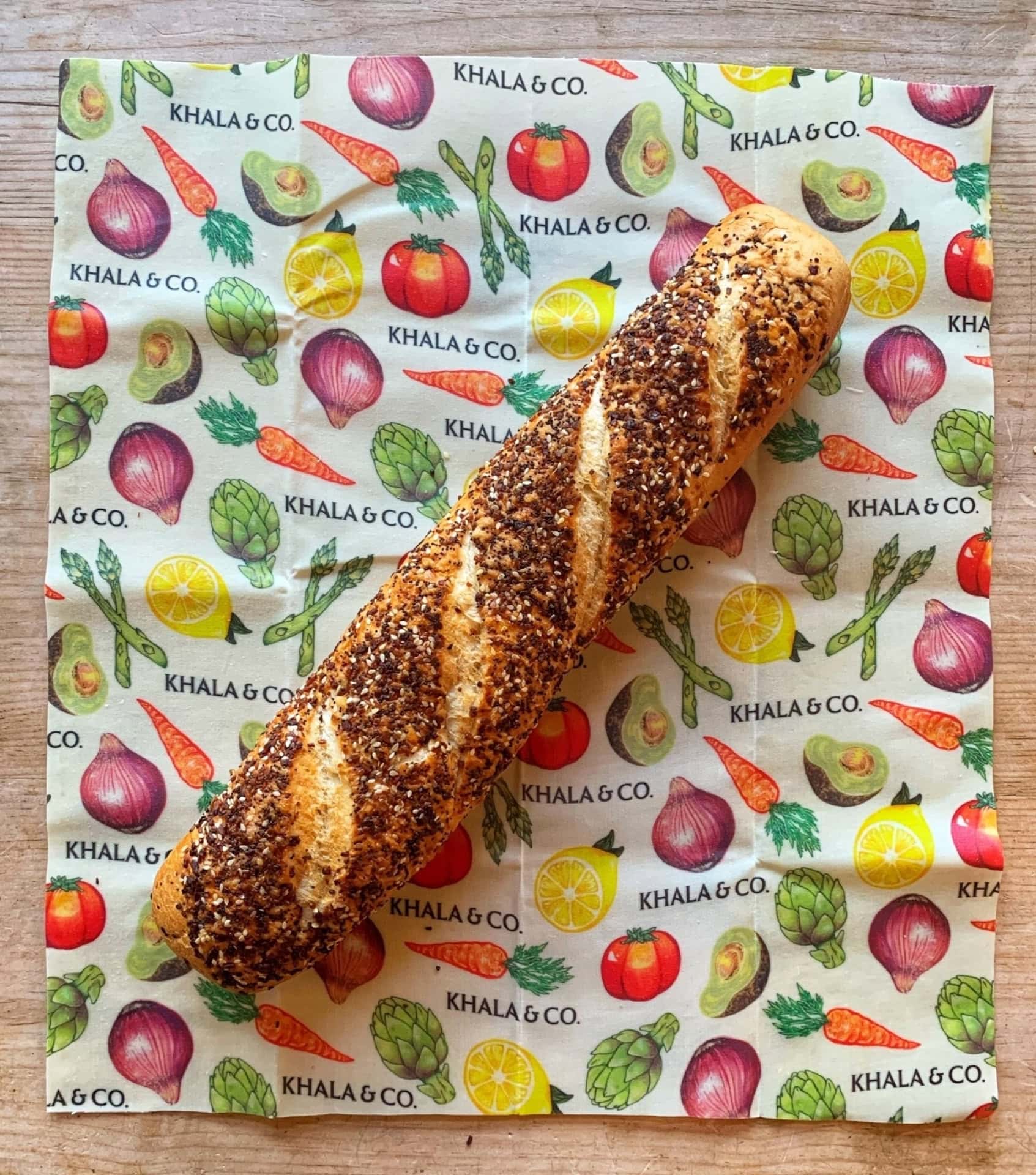
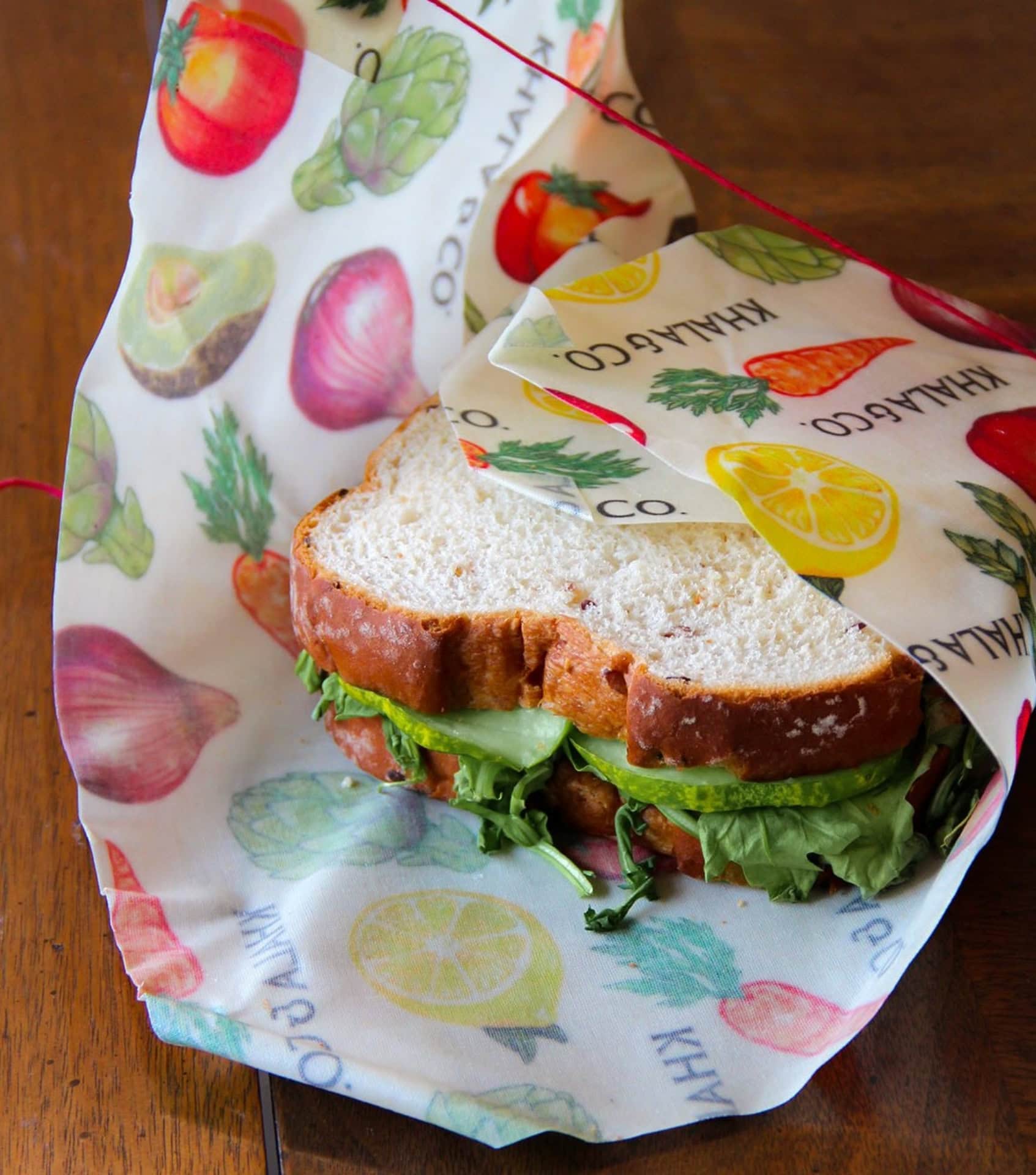
About Khala’s Alternatives To Snack Bags
We love to use beeswax wraps and Khala makes them better still by adding a vegan twist.
Made from certified organic cotton/hemp fabric mixed with consciously-sourced soy wax, jojoba and coconut oil, and tree resin, they’re totally non-toxic and compostable.
A single large vegan cloth can be purchased or a variety pack of various sizes.
Use them to cover a bowl, wrap up half-cut veggies, or as eco-friendly sandwich bags, making plastic sandwich bags and wrap a thing of the past.
About Khala
A family-owned business with everything handcrafted in Colorado, Khala is certified 1% for the Planet.
Their brand is also certified by Green America.
Why Choose Alternatives to Ziploc Bags
More than any other nation, the US loves their plastic. Americans use an average of 365 plastic bags per person per year—or one for every day of the year. Tallied at 100 billion plastic bags per year, that’s 12 million barrels of crude oil to produce that much plastic.
Since Ziploc bags were invented in the 1950s, humans have manufactured 8.3 billion metric tons of plastic, 6.3 billion of which is in the landfill. Only 9% has been properly recycled.
Meanwhile, that plastic could take up to 1,000 years to decompose. In fact, since plastic is such a new invention, we have no idea how long it will take to decompose.
Decomposing microplastics are the scourge of the Earth today, with the United Nations recently declaring a global ocean plastics emergency.
Not only have microplastics overtaken our waterways and their food chains, but microplastics were also recently discovered in beer, tap water, human blood, breast milk, and babies’ placenta.
The phthalates in plastic can also cause reproductive issues, endocrine disruption, developmental problems, higher levels of oxidative stress, disrupted hormones, and more.
But we’re not here to alarm you, we’re here to congratulate you on your choice to choose alternatives to plastic Ziploc bags!
Not only is it better for the environment and your health, but also your wallet.
Families are saving hundreds–even thousands–of dollars per year by choosing reusable options.
Still, we know it can be hard work to ditch the convenience of disposables, but every little decision made when storing food adds up to a bigger impact than you might realize!
The next time you’re having a potluck or a picnic with friends or family, spread the word and share these Ziploc alternatives.